

Table of Contents
- Best Pet Supplies for Sensitive Animals: Quick Comparison
- Best Dog Food for Sensitive Stomachs
- Grooming Supplies for Sensitive Skin
- How to Manage Pet Allergies: Treats and Supplements
- Ingredient Transparency: Decoding Labels for Sensitive Pets
- Budget-Friendly DIY Alternatives for Pet Care
- How to Choose the Right Supplies for Your Sensitive Pet
- Conclusion
Last Updated: August 11, 2026
Best Pet Supplies for Sensitive Animals: Quick Comparison
Sensitive animals need formulations designed for their unique needs, delicate digestive systems, reactive skin, or anxiety-prone temperaments. Choosing the right pet supplies can feel overwhelming when juggling ingredient lists, price points, and conflicting claims. The real challenge isn't finding options; it's finding the RIGHT ones that work without triggering adverse reactions.
This guide covers the best pet supplies for sensitive animals across food, grooming, treats, supplements, and home care, addressing digestive issues, skin irritation, anxiety, and environmental stressors.
Quick Picks:
- Best Overall Dog Food: Hill's Science Diet Sensitive Stomach & Skin, veterinarian-formulated with prebiotic fiber for digestive support
- Best Hypoallergenic Shampoo: TropiClean OxyMed Hypoallergenic Shampoo, pH-balanced, free from sulfates and parabens
- Best Single-Ingredient Treats: PureBites Freeze-Dried Raw Dog Treats, 100% pure protein, ideal for identifying allergens
- Best Grooming Tool: Groom Professional Ball Pin Slicker Brush, gentle bristles designed for sensitive skin
- Best Anxiety Support: Zesty Paws Calming Bites, natural ingredients including L-Tryptophan and Chamomile
| Product | Category | Key Benefit | Best For |
|---|---|---|---|
| Hill's Science Diet | Dog Food | Prebiotic fiber for digestion | Sensitive stomachs & skin |
| Purina Pro Plan Sensitive Skin | Dog Food | Live probiotics + Omega-6 | Digestive and skin health |
| Vet's Best Hypo-Allergenic Shampoo | Grooming | Plant-based, soap-free | Itchy, irritated skin |
| TropiClean OxyMed | Grooming | pH-balanced formula | Hypoallergenic cleaning |
| Groom Professional Ball Pin Brush | Grooming | Ball-tipped bristles | Gentle grooming without irritation |
| PureBites Freeze-Dried Treats | Treats | Single-ingredient simplicity | Food allergy identification |
| Finley's Barkery Wheat-Free Treats | Treats | Limited ingredients | Wheat sensitivities |
| Zesty Paws Calming Bites | Supplements | Anxiety support | Stress and nervousness |
| Native Pet Advanced Calm Chews | Supplements | Natural calming blend | Mild to moderate anxiety |
Best Dog Food for Sensitive Stomachs
The foundation of caring for a sensitive pet starts with nutrition. When a dog's digestive system is reactive, the wrong food triggers loose stools, vomiting, or chronic discomfort. The right food addresses the root cause: poor digestibility, inflammatory ingredients, or lack of gut support.
Sensitive stomach dog food differs from standard formulas in three key ways: highly digestible protein sources (chicken, fish, or lamb rather than by-products), prebiotics or probiotics to support healthy gut bacteria, and avoidance of common irritants like corn, wheat, and artificial additives.
Hill's Science Diet Sensitive Stomach & Skin
Hill's Science Diet Sensitive Stomach & Skin is veterinarian-formulated for dogs with digestive sensitivities and skin issues. The formula uses prebiotic fiber to support healthy gut bacteria, improving nutrient absorption and reducing loose stools. Vitamin E and Omega-6 fatty acids address skin health, reducing itching and promoting a shinier coat.
This formula balances digestive and dermatological support simultaneously, making it ideal for dogs experiencing dual sensitivities. One limitation: this formula includes grains (rice and barley), which some dogs with severe grain sensitivities may not tolerate.
Purina Pro Plan Sensitive Skin & Stomach (Salmon & Rice)
Purina Pro Plan Sensitive Skin & Stomach uses salmon as the first ingredient, providing high-quality protein and natural Omega-3 and Omega-6 fatty acids. The formula includes live probiotics to actively colonize the gut with beneficial bacteria. Rice and oatmeal are gentle carbohydrate sources.
This formula works well for dogs that react to chicken-based foods. Purina Pro Plan is widely available at major retailers, making consistent supply easier than specialty brands.

Grooming Supplies for Sensitive Skin
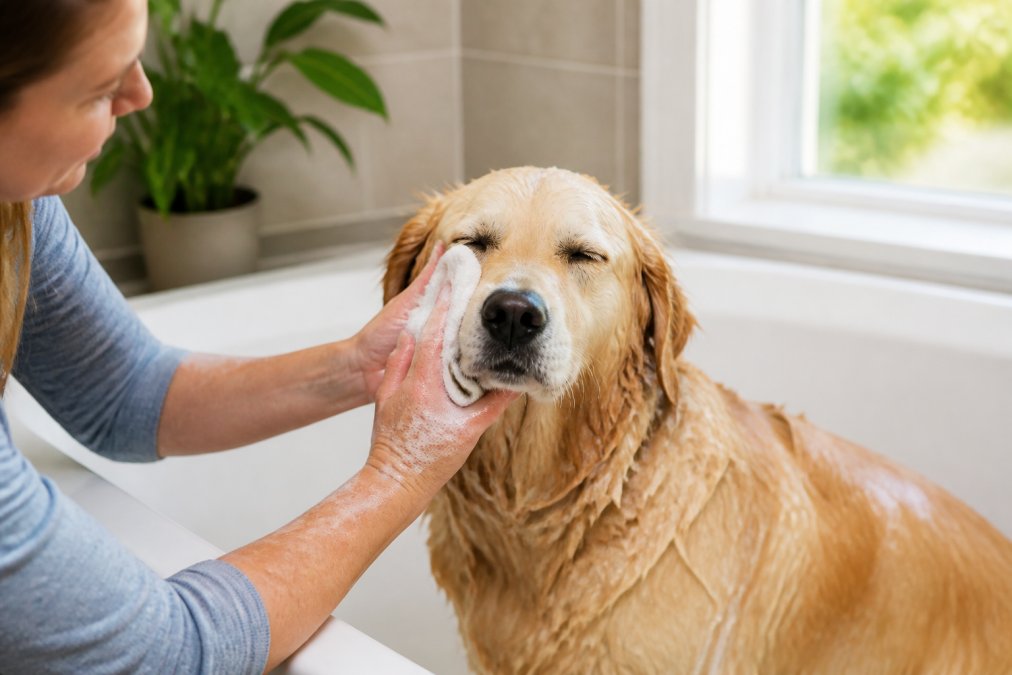
Grooming sensitive pets requires tools and products that clean without irritating. Standard shampoos often contain sulfates, parabens, and artificial fragrances that strip natural oils and trigger inflammation. Sensitive-skin grooming supplies use gentler formulations and specialized tools designed to minimize physical irritation.
Vet's Best Hypo-Allergenic Dog Shampoo
Vet's Best Hypo-Allergenic Dog Shampoo is formulated without soap, sulfates, or artificial dyes. The formula includes Aloe Vera and Vitamin E, which soothe itching and moisturize dry coats. Because it's tearless, it's safe if it accidentally gets in the eyes.
The key advantage is frequency-friendly design. Many medicated shampoos should be used sparingly to avoid over-drying. Vet's Best can be used as often as necessary without causing additional irritation.
TropiClean OxyMed Hypoallergenic Shampoo
TropiClean OxyMed is pH-balanced for pets, which is crucial because pet skin is more acidic than human skin. Using pH-imbalanced shampoos disrupts the skin's natural protective barrier, leading to increased irritation and infection vulnerability.
This formula is free from sulfates, parabens, soap, and artificial dyes, with naturally derived soothing ingredients like oatmeal and aloe vera. It's suitable for both dogs and cats. TropiClean cleans effectively while maintaining the skin's natural pH and protective oils.
Groom Professional Ball Pin Slicker Sensitive Skin Dog Brush
The Groom Professional Ball Pin Slicker is engineered specifically for sensitive skin. The ball-tipped pins prevent scratching and gouging during brushing, critical for dogs with irritated or reactive skin. The flexible cushion backing adds comfort for both pet and groomer.
Regular brushing with this tool removes loose hair and dirt without trauma. For dogs that resist grooming because of skin sensitivity, this tool often makes the experience tolerable or enjoyable.
How to Manage Pet Allergies: Treats and Supplements
Treats and supplements play a supporting role in managing pet allergies. While they can't replace proper nutrition or medical treatment, they address specific gaps by providing allergen-free reward options, supporting digestive health, or calming anxiety-driven behaviors.
PureBites Freeze-Dried Raw Dog Treats
PureBites Freeze-Dried Raw Dog Treats are single-ingredient products, literally just freeze-dried meat. A chicken treat contains only chicken breast; a salmon treat contains only salmon. This simplicity is invaluable for dogs with multiple food allergies.
Because each treat is a single protein source, you can identify which ingredients trigger reactions. The freeze-drying process locks in nutrients without requiring preservatives. Most dogs find them highly palatable. The trade-off is cost; single-ingredient, freeze-dried treats cost more per ounce than conventional treats.
Finley's Barkery Wheat-Free Crunchy Biscuit Dog Treats
Finley's Barkery treats use a limited ingredient philosophy with no more than six ingredients per treat. They're wheat-free, addressing one of the most common grain sensitivities in dogs. The ingredient lists are transparent and readable, with no mystery meat by-products.
These treats work well as occasional rewards for dogs with wheat sensitivities. The crunchy texture provides light dental benefits by promoting chewing action.
Anxiety-Reducing Supplements for Sensitive Pets
Anxiety in sensitive pets often manifests as destructive behavior, excessive barking, or aggression. While behavioral training is essential, supplements can reduce anxiety and make training more effective.
Zesty Paws Calming Bites contain Thiamine (Vitamin B1), Organic Chamomile, and L-Tryptophan. L-Tryptophan is a precursor to serotonin, which regulates mood and stress response. Chamomile has mild sedative properties. Together, these ingredients calm without sedating. Results typically appear within 3-7 days.
Native Pet Advanced Calm Chews offer a similar approach with a different ingredient blend. Both supplements work best as part of a comprehensive anxiety management plan that includes training, environmental management, and exercise.
Ingredient Transparency: Decoding Labels for Sensitive Pets
Reading pet food and product labels is essential for managing sensitivities, but labels are intentionally complex. Start by understanding the ingredient list order. Ingredients are listed by weight in descending order. The first ingredient should be a protein source (meat, fish, or poultry), not a grain or filler.
Look for named protein sources versus generic terms. "Chicken" or "salmon" is specific and traceable. "Meat meal," "meat by-products," or "animal fat" are vague and often include low-quality protein sources. For sensitive pets, specificity matters because it helps you identify exactly what your dog is eating.
Avoid products listing artificial preservatives (BHA, BHT, ethoxyquin) and colors (Yellow 5, Red 40). Natural preservatives like mixed tocopherols (Vitamin E) are safer alternatives.
Look for the AAFCO (Association of American Feed Control Officials) statement on the package, confirming the product meets minimum nutritional standards. For sensitive pets, you want products that exceed standards with added digestive support (prebiotics, probiotics) or skin support (Omega fatty acids).
Budget-Friendly DIY Alternatives for Pet Care
Quality pet care for sensitive animals doesn't always require premium products. Many effective solutions can be made at home with basic ingredients.
Homemade Oatmeal Bath for Itchy Skin: Grind plain oatmeal into a fine powder. Mix one cup of oatmeal powder with one cup of warm water to create a paste. Add this paste to lukewarm bathwater and soak your dog for 5-10 minutes, then rinse thoroughly. Oatmeal is naturally anti-inflammatory and soothing. Repeat 2-3 times weekly as needed.
Apple Cider Vinegar Rinse: Mix one part raw, unfiltered apple cider vinegar with one part water. After shampooing, pour this mixture over your dog's coat (avoid eyes and ears) and let it sit for 5 minutes before rinsing. The acidity restores the skin's natural pH balance and has antimicrobial properties.
Coconut Oil Paw Balm: Melt organic coconut oil and pour into a small container. Once cooled, apply a small amount to paws, elbows, and dry areas. Coconut oil has natural antimicrobial and anti-inflammatory properties. A jar lasts months.
Bone Broth for Digestive Support: Simmer chicken or beef bones in water for 12-24 hours, then strain. The resulting broth contains collagen and gelatin, which support gut lining integrity. Add 1-2 tablespoons to your dog's regular food daily.
Limited-Ingredient Homemade Treats: Mix one cup of ground meat (chicken, beef, or turkey) with one cup of oat flour and one egg. Form into small balls, flatten slightly, and bake at 350°F for 12-15 minutes. These treats contain only three ingredients, perfect for identifying allergens.
The advantage of DIY alternatives is transparency and cost. The disadvantage is consistency and shelf stability. Homemade products require refrigeration and have shorter shelf lives.
How to Choose the Right Supplies for Your Sensitive Pet
Choosing the right supplies starts with identifying your pet's specific sensitivities. Not all sensitive pets have the same issues. Begin with your veterinarian, who can rule out medical conditions and recommend specific protein sources and ingredients to avoid.
Once you've identified the specific sensitivity, read labels carefully and cross-reference ingredients with your pet's known triggers. When trying a new product, introduce it gradually over 7-10 days to monitor for reactions.
Keep a simple log of what your pet eats and any reactions that occur. After 2-3 weeks on a new product, you'll have clear data about whether it's working.
Cost matters, but the cheapest option often costs more in the long run through vet visits and medications. A slightly more expensive product that actually works provides better value than a budget option that triggers reactions.
Remember that sensitive pets sometimes need time to adjust. Digestive healing takes 4-6 weeks. Skin improvement takes 8-12 weeks. Behavioral changes from supplements take 2-3 weeks. Give new products adequate time before concluding they're ineffective.
Sensitive animals thrive when their caregivers prioritize ingredient transparency and targeted solutions. The best pet supplies for sensitive animals aren't always the most expensive or heavily marketed, they're the ones that match your specific pet's needs.
WowHaul offers a curated selection of practical finds designed to simplify your everyday living. From essential care for your pets to products that help you build stronger, more efficient routines, we focus on quality solutions for your home. Discover items that bring ease and happiness to your daily life through our thoughtfully selected collection. Visit WowHaul today to build a care routine that works for your sensitive pet.
Frequently Asked Questions
What ingredients should I avoid in pet food for sensitive stomachs?
Common allergens include wheat, corn, soy, and certain proteins like chicken or beef. Artificial preservatives, colors, and by-products can trigger digestive upset. Look for limited-ingredient formulas with named meat sources and avoid foods listing vague terms like 'meat meal' or 'animal by-products.' Single-ingredient freeze-dried treats help you identify exactly what your pet is consuming, making it easier to pinpoint problem ingredients.
Are hypoallergenic pet supplies worth the extra cost for sensitive animals?
Yes, when your pet has confirmed allergies or sensitivities. Hypoallergenic shampoos, grooming tools with gentle bristles, and limited-ingredient treats prevent painful skin reactions and digestive issues, saving you veterinary bills long-term. The cost of specialty products is often less than treating chronic skin infections or gastrointestinal problems. However, start by identifying your pet's specific sensitivities before investing in premium alternatives.
What grooming tools are best for pets with skin allergies?
Use soft-bristled brushes with ball pins or flexible cushioning to avoid scratching sensitive skin. Slicker brushes designed for sensitive coats minimize irritation while removing loose hair and dander. Pair mechanical grooming with hypoallergenic, pH-balanced shampoos formulated for pets. Avoid harsh metal combs and opt for tools with ergonomic, non-slip grips that let you work gently without applying pressure that irritates skin.
How can I create a stress-free environment for a sensitive pet?
Sensitive pets often experience anxiety that worsens physical symptoms. Provide a quiet, comfortable space away from loud noises and household chaos. Use calming supplements with natural ingredients like chamomile and L-tryptophan to reduce nervousness. Maintain consistent routines for feeding and exercise. Choose breathable, non-irritating bedding materials. Minimize environmental stressors like strong fragrances or chemical cleaners that can trigger both anxiety and skin reactions in sensitive animals.
This article was written using GrandRanker