

Table of Contents
- Understanding Your Senior Pet's Changing Needs
- Senior Pet Wellness Exam Frequency and Preventative Care
- Nutrition and Dietary Adjustments for Aging Pets
- Managing Arthritis in Senior Pets and Mobility Support
- Home Modifications for Senior Pets
- Dental Health Maintenance and Parasite Prevention
- Recognizing Signs of Cognitive Dysfunction in Pets
- Weight Management and Hydration Support
Last Updated: August 4, 2026
Essential care for senior pets requires a proactive approach beyond basic feeding and shelter. As pets enter their golden years, their bodies undergo significant changes demanding specialized attention. According to the American Animal Hospital Association, pets over age 7 require health assessments twice annually rather than once yearly. At WowHaul, we understand that aging pets need practical solutions designed for their changing needs, from mobility support to dietary adjustments to home safety modifications.
Understanding Your Senior Pet's Changing Needs
Your senior pet's physiology shifts dramatically with age. Metabolic rate slows, muscle mass decreases, and organs work less efficiently. Common age-related changes include reduced kidney function affecting waste processing, liver vulnerability to medication interactions, joint cartilage deterioration leading to arthritis, and cognitive decline resulting in behavioral shifts.
Senior pets thrive when their environment and routines adapt to meet their changing needs, preserving quality of life through targeted interventions.
Senior Pet Wellness Exam Frequency and Preventative Care
Veterinary wellness exam frequency doubles for senior pets. Most veterinarians recommend bi-annual checkups for pets age 7 and older, allowing early detection of chronic disease before it becomes serious.
During a senior pet wellness exam, your veterinarian performs thorough physical assessment including abdominal palpation, dental and gum examination, mobility and joint assessment, and careful heart and lung evaluation.
What to Expect During a Veterinary Wellness Exam
A comprehensive wellness exam typically includes bloodwork and urinalysis revealing kidney function, liver health, thyroid issues, and blood glucose levels. Early detection of conditions like diabetes or kidney disease allows intervention before symptoms worsen.
Your vet will discuss vaccination schedule adjustments for senior pets with compromised immune systems. The exam should include a quality of life assessment discussing behavioral changes, pain indicators, appetite shifts, and overall vitality, with discussion of pain management options if arthritis or chronic conditions are present.
Chronic Disease Management and Early Detection
Chronic disease management in senior pets requires ongoing monitoring and medication adjustments. Your veterinarian will establish baseline measurements during initial exams, then track changes over time. Blood pressure monitoring becomes important, as hypertension can develop with age and contribute to kidney and heart problems. Repeat bloodwork shows whether kidney function is stable or declining, allowing treatment adjustments before the condition becomes critical.
Nutrition and Dietary Adjustments for Aging Pets
Senior-specific diet formulations address metabolic rate changes occurring with age. Senior pet food typically contains adjusted protein levels to preserve lean muscle while accounting for reduced kidney function, increased fiber for digestive health, and reduced fat while maintaining essential fatty acids for joint and cognitive support.
Senior-Specific Diet and Metabolic Rate Changes
Metabolic rate decreases significantly in aging pets, meaning they require fewer calories to maintain the same body weight. An older dog might need 20-30% fewer calories than the same dog at age 3. Feeding a senior pet the same portions as a younger pet leads to weight gain, stressing joints and exacerbating arthritis.
Work with your veterinarian to determine appropriate calorie intake based on your pet's current weight, activity level, and health status. Many senior pets benefit from smaller, more frequent meals rather than one or two large meals daily. Quality protein becomes increasingly important, look for senior formulas with highly digestible protein sources and essential amino acids supporting muscle maintenance.
Supporting Kidney Function and Liver Health
Kidney function naturally declines with age, making dietary support critical. Phosphorus and sodium levels should be carefully controlled in senior diets to reduce stress on aging kidneys. Your veterinarian may recommend prescription kidney-support diets if bloodwork shows declining kidney function.
Liver health requires adequate but balanced protein intake and support for hepatic function. Senior diets often include antioxidants and vitamins supporting liver health. Hydration support is equally important, senior pets often drink less water than they should. Wet food, water fountains, and multiple water bowls throughout your home encourage adequate hydration.
Managing Arthritis in Senior Pets and Mobility Support
Arthritis affects most senior pets to some degree. Joint cartilage deteriorates over time, causing inflammation, pain, and reduced mobility. Early signs include reluctance to jump, difficulty climbing stairs, stiffness after rest, and limping. Catching these signs early allows intervention before mobility becomes severely compromised.
Joint Supplements and Pain Management Options
Joint supplements containing glucosamine and chondroitin support cartilage health and reduce inflammation. Omega-3 fatty acids from fish oil reduce joint inflammation and support overall vitality.
Pain management options range from non-prescription supplements to prescription medications. Your veterinarian may recommend NSAIDs like carprofen or meloxicam for chronic arthritis. Physical therapy and controlled exercise support joint health, low-impact activities like swimming or walking on soft surfaces strengthen muscles around joints without stressing them. Short, frequent walks are better than long walks that exhaust senior pets and cause pain flare-ups.
Orthopedic Bedding and Mobility Aids
Orthopedic bedding provides crucial support for arthritic joints. Memory foam or gel-infused beds distribute weight evenly and reduce pressure on painful joints. Elevated beds keep senior pets off cold floors, which exacerbates arthritis pain. Many senior pets sleep 16-18 hours daily, making quality bedding a worthwhile investment.
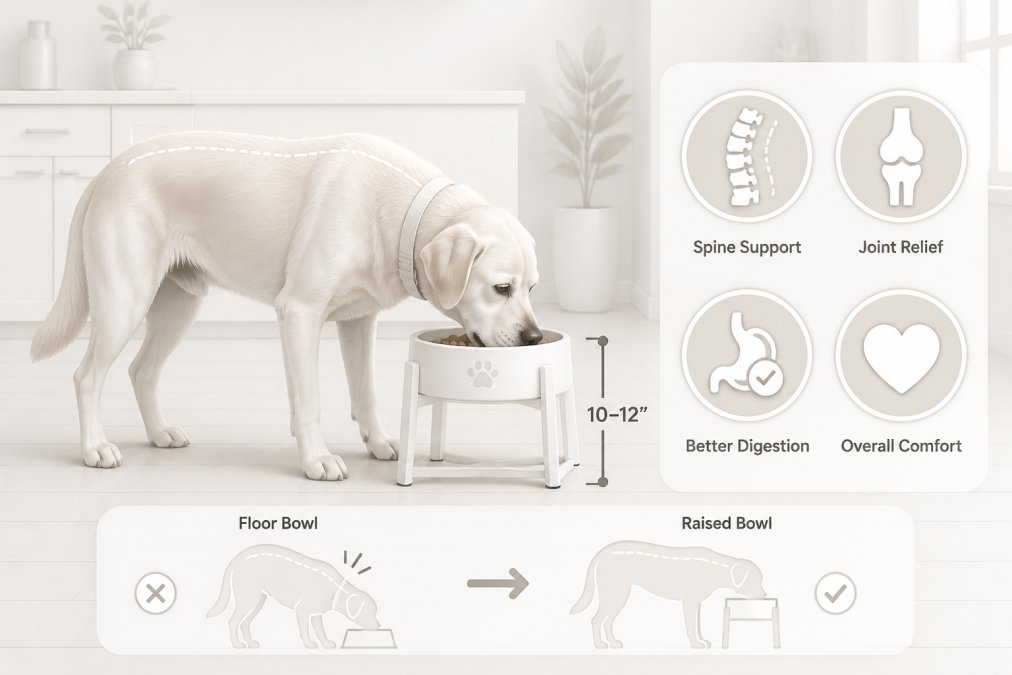
Mobility aids help senior pets navigate their environment with less pain and effort. Ramps or steps allow access to furniture and vehicles without jumping. Non-slip surfaces prevent falls and reduce joint stress during movement. Raised food and water bowls reduce strain on neck and spine.
WowHaul offers orthopedic bedding and mobility solutions designed specifically for aging pets. Their orthopedic bed collection uses memory foam construction providing superior joint support. Ramps and steps feature non-slip surfaces and appropriate angles accommodating arthritic joints.

Home Modifications for Senior Pets
Your home environment significantly impacts your senior pet's quality of life and safety. Strategic modifications reduce fall risk, improve accessibility, and create comfortable spaces where your pet can rest without pain or anxiety.
Non-Slip Surfaces and Accessibility Adjustments
Slippery floors pose serious fall risks for senior pets with reduced mobility and balance. Rugs, yoga mats, or adhesive non-slip pads provide traction and prevent falls. Focus on high-traffic areas and places where your pet frequently stands or walks.
Stairs become increasingly challenging for senior pets. Ramps with appropriate angles (typically 15-20 degrees) allow easier access than stairs. If ramps aren't feasible, baby gates can restrict access to stairs, preventing dangerous falls. Bathroom accessibility matters more for senior pets with incontinence or frequent bathroom needs. Litter boxes or pee pads should be easily accessible without climbing stairs or navigating obstacles.
Environmental Enrichment and Comfort Zones
Senior pets benefit from designated comfort zones where they feel safe and secure. A quiet corner with their orthopedic bed, water bowl, and familiar items creates a retreat space, especially important for pets with cognitive decline who may feel anxious in busy environments.
Environmental enrichment for senior pets focuses on gentle mental stimulation rather than high-energy play. Puzzle feeders encourage problem-solving without physical stress. Temperature control matters significantly, maintain comfortable room temperatures with heating pads or blankets during cold months and fans or cool surfaces during hot weather. Lighting affects senior pets' comfort and safety; dimmed lighting in rest areas promotes sleep while brighter lighting in activity areas helps pets with vision decline navigate safely.
Dental Health Maintenance and Parasite Prevention
Dental health directly impacts overall health in senior pets. Bacteria from dental disease can spread to the heart, kidneys, and liver, causing serious systemic problems.
Dental Prophylaxis and Oral Care Routines
Dental prophylaxis, professional cleaning under anesthesia, becomes increasingly important for senior pets. Professional cleaning removes accumulated plaque and tartar and allows your veterinarian to identify problematic teeth requiring extraction.
Home dental care should begin before senior years but becomes critical in aging pets. Daily tooth brushing with pet-specific toothpaste removes plaque before it hardens into tartar. Your veterinarian should assess teeth and gums during wellness exams. Loose or infected teeth may need extraction to prevent pain and systemic infection, which often improves quality of life.
Flea, Tick, and Parasite Control in Senior Pets
Parasite control remains essential throughout your pet's life. Senior pets with compromised immune systems are more vulnerable to complications from parasitic infections. Flea and tick prevention should continue year-round, even for indoor senior pets.
Discuss parasite prevention options with your veterinarian, as some medications require dose adjustments for senior pets with liver or kidney issues. Prescription preventatives offer superior protection compared to over-the-counter options. Intestinal parasite screening should occur at least annually for senior pets.
Recognizing Signs of Cognitive Dysfunction in Pets
Cognitive dysfunction syndrome affects many senior pets, particularly those over age 10. This condition involves progressive decline in cognitive function, memory, learning, and awareness.
Behavioral Changes and Cognitive Dysfunction Syndrome
Early signs include disorientation, confusion about familiar spaces, and altered sleep-wake cycles. Your senior pet might stare at walls, seem lost in familiar rooms, or fail to recognize family members initially. House-training accidents occur despite previous reliability. Some pets show increased vocalization, pacing, or anxiety. Others become withdrawn or less responsive to stimuli.
Cognitive dysfunction syndrome isn't reversible, but it's manageable. Medications like selegiline can slow cognitive decline. Environmental modifications reduce confusion and anxiety. Consistent routines provide security and reduce disorientation.
Mental Stimulation and Quality of Life Assessment
Mental stimulation supports cognitive function in aging pets. Gentle puzzle feeders, scent games, and novel experiences keep the brain active without causing stress. Short training sessions with favorite treats engage cognitive function and strengthen your bond.
Quality of life assessment becomes increasingly important as your pet ages. Consider factors like pain level, mobility, appetite, social engagement, and bathroom control. Your veterinarian can help you assess whether your senior pet's current quality of life supports continued treatment or whether palliative care becomes more appropriate.
Weight Management and Hydration Support
Weight management becomes critical in senior pets. Excess weight stresses joints, exacerbates arthritis, and increases risk of diabetes and heart disease. Assess your senior pet's body condition regularly, you should feel ribs easily but not see them prominently. Work with your veterinarian to establish a gradual weight loss plan, aiming for slow, steady loss over several months.
Hydration support prevents kidney problems and urinary issues. Senior pets often don't drink enough water, especially if water bowls are in inconvenient locations. Multiple water bowls throughout your home encourage drinking. Water fountains appeal to many pets and encourage more frequent water intake. Monitor your senior pet's water intake and urine output, as increased thirst and urination can indicate diabetes, kidney disease, or thyroid issues warranting veterinary evaluation.
| Care Element | Frequency | Best For | Impact |
|---|---|---|---|
| Veterinary wellness exams | Twice yearly | All senior pets | Early disease detection |
| Bloodwork and urinalysis | Twice yearly | Pets over 10 or with health issues | Kidney and organ monitoring |
| Dental assessments | Annually | All senior pets | Preventing systemic infection |
| Joint supplement review | Every 6 months | Pets with arthritis | Optimizing pain management |
| Behavioral observation | Daily | All senior pets | Catching cognitive or health changes |
| Weight monitoring | Monthly | Overweight or diabetic pets | Preventing complications |
Providing essential care for senior pets requires vigilance, flexibility, and genuine commitment to their comfort. The strategies outlined here, from bi-annual wellness exams to dietary adjustments to home modifications, work together to preserve your aging pet's quality of life. WowHaul's curated collection of senior pet care products, from orthopedic bedding to mobility aids, simplifies creating an environment where your senior companion can thrive. Start implementing these care practices today, and you'll give your pet the best chance at a comfortable, dignified senior phase of life.
Frequently Asked Questions
How often should senior pets have a veterinary wellness exam?
Senior pets typically need bi-annual checkups instead of annual visits. Older animals develop health issues more rapidly, and twice-yearly exams allow your veterinarian to catch problems like thyroid issues, kidney function decline, and arthritis early. Your vet may recommend more frequent visits if your pet has existing chronic diseases or is showing signs of age-related health changes.
What are the early signs of cognitive dysfunction in pets?
Cognitive dysfunction syndrome in senior pets often appears as disorientation, changes in sleep patterns, decreased interest in activities, or house-training accidents. You might notice your pet staring at walls, getting lost in familiar spaces, or failing to recognize family members. Early recognition allows you to provide mental stimulation and environmental enrichment that can slow cognitive decline and improve quality of life.
What home modifications work best for senior pets with arthritis?
Essential modifications include non-slip surfaces on hardwood floors, ramps or steps to reach favorite spots, orthopedic bedding for joint support, and raised food and water bowls to reduce strain on the neck and joints. Keep frequently used items at comfortable heights and create designated rest areas away from high-traffic zones. These changes reduce pain from movement and help your pet maintain independence longer.
Should senior pets eat different food than younger animals?
Yes. Senior-specific diets account for slower metabolic rates and changing nutritional needs. These formulas often support kidney function and liver health, include joint supplements for arthritis management, and have adjusted calorie levels to prevent weight gain. Your veterinarian can recommend appropriate options based on your pet's specific health status, especially if your pet has conditions affecting gastrointestinal health or metabolic function.
How do I know if my senior pet is in pain from arthritis?
Signs include limping, reluctance to jump or climb stairs, stiffness after rest, difficulty rising, or behavioral changes like increased irritability. Pets in pain may also groom less frequently or show reduced interest in play. If you notice these symptoms, discuss pain management options with your veterinarian, which may include joint supplements, medications, physical therapy, or mobility aids to improve comfort and maintain vitality.
What's the best way to plan financially for senior pet care?
Budget for increased veterinary visits (bi-annual or more), specialized medications, and potential emergency care. Pet insurance may help offset costs, though coverage varies. Set aside a monthly fund for preventative care and unexpected expenses. Discuss pricing and payment options with your veterinarian, as some clinics offer wellness plans or payment plans that make ongoing care more manageable for busy professionals and families.
How can I tell when it's time to consider end-of-life care decisions?
Quality of life assessment involves evaluating whether your pet can eat, drink, and move with reasonable comfort. Consider whether they experience more good days than bad, maintain some interest in activities, and show signs of vitality. Discuss your pet's condition honestly with your veterinarian, who can help you understand prognosis and palliative care options that prioritize comfort during final months.
This article was written using GrandRanker