

Table of Contents
- Why Expensive Grooming Tools Cost More: Material and Engineering Differences
- Durability and Longevity: What You're Actually Paying For
- Professional Dog Grooming Equipment List: What Makes the Difference
- Cost-Per-Use Analysis: When Premium Tools Make Financial Sense
- Dog Grooming Tool Maintenance Tips and Long-Term Savings
- When to Splurge vs. When to Save on Your Grooming Kit
- Ergonomics, Safety, and Repetitive Strain Prevention
- Conclusion
Last Updated: August 7, 2026
Why Expensive Grooming Tools Cost More: Material and Engineering Differences
The difference between a budget clipper and a professional-grade one isn't just marketing. It starts with materials. High-end grooming tools use high-carbon steel or stainless steel blades that hold their edge significantly longer than cheaper alternatives. Budget blades dull faster because they're made from lower-grade alloys that can't withstand repeated use without losing sharpness.
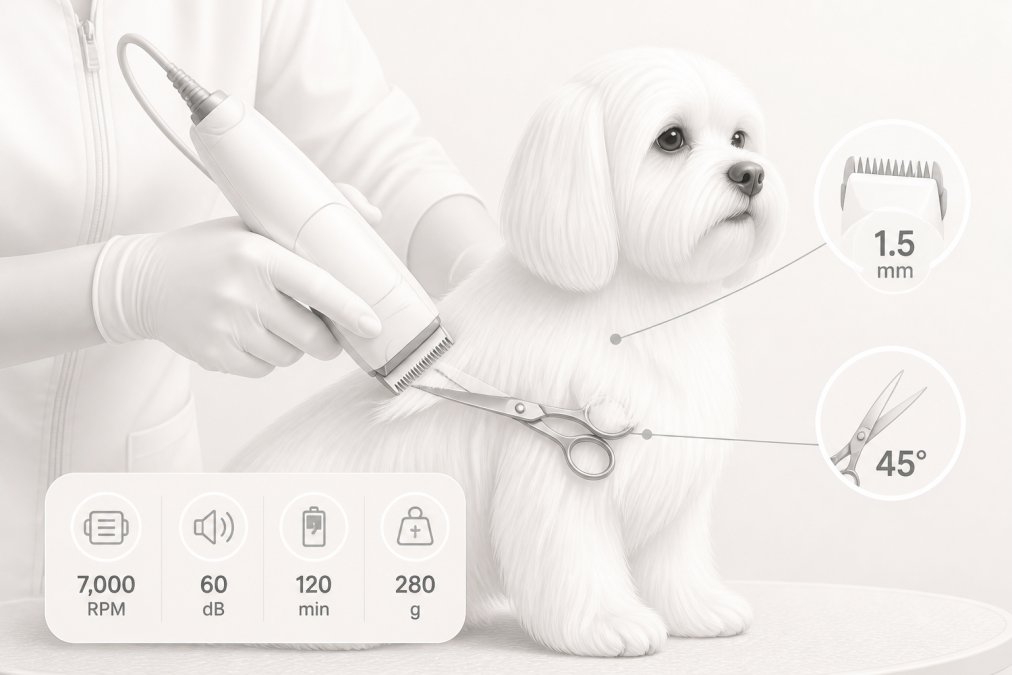
Professional clippers also feature precision engineering that budget models skip. The blade alignment, motor calibration, and heat dissipation systems in expensive grooming tools are engineered to exacting tolerances. A motor running at inconsistent speeds causes blade vibration, which leads to uneven cuts and potential razor burn on the dog's skin. Premium motors maintain consistent RPM throughout the grooming session, delivering predictable results every time.
The engineering difference extends to ergonomics. Professional-grade handles are weighted and balanced to reduce hand fatigue during extended grooming sessions. Cheaper tools often feel unbalanced, forcing your wrist into awkward positions that lead to repetitive strain injury over time. When you're grooming multiple dogs weekly, this matters tremendously.
Heat dissipation is another critical factor that separates expensive from budget tools. High-quality clippers have better ventilation systems and heat-resistant materials that prevent the blade from overheating. An overheating blade doesn't just perform poorly, it can burn the dog's skin. Professional tools are engineered specifically to maintain safe operating temperatures even during hour-long grooming sessions.
Durability and Longevity: What You're Actually Paying For
When you invest in expensive grooming tools, you're buying durability that compounds over years of use. A professional clipper can last 5-10 years with proper maintenance. Budget clippers often fail within 12-18 months, especially with regular use. The cost per year of ownership tells a different story than the upfront price.
High-end tools use reinforced internal components that withstand thousands of grooming cycles. The gearbox, motor housing, and blade assembly are built to handle sustained use without degradation. Budget tools cut corners on these internal components, which means they fail faster and more unpredictably.
Longevity also depends on parts availability. Premium tool manufacturers keep replacement parts in stock for years, sometimes decades. If your expensive clipper's blade needs replacing after three years, you can order a genuine replacement. Budget tools often become obsolete within months, making repairs impossible and replacement necessary.
The durability advantage extends to warranty coverage. Professional-grade tools typically come with multi-year warranties that cover defects and mechanical failure. Budget tools often have 30-90 day warranties at best. This difference reflects the manufacturer's confidence in their product's durability.
When you calculate total cost of ownership, purchase price divided by years of service, expensive grooming tools frequently cost less per year than replacing budget alternatives every couple of years.
Professional Dog Grooming Equipment List: What Makes the Difference
Motor Power and Heat Dissipation
A professional grooming tool's motor is its heart. Expensive clippers use high-torque motors that maintain consistent power even when cutting through thick or matted coats. Budget motors lose power under load, causing the blade to slow down or stall. This inconsistency forces you to make multiple passes over the same area, which increases the risk of razor burn and frustrates both you and the dog.
Motor power is measured in watts. Professional clippers typically range from 15-25 watts, while budget options often fall below 10 watts. That difference might sound small, but it directly affects cutting performance and speed. A more powerful motor completes grooming jobs faster and more cleanly.
Heat dissipation separates tools that work well from tools that cause problems. When a motor runs without adequate cooling, the blade heats up. A hot blade is uncomfortable for the dog and more likely to cause skin irritation. Professional tools include cooling fins, ventilation slots, and heat-resistant materials that keep blade temperature safe throughout extended use.
The best professional grooming equipment includes temperature sensors that automatically regulate motor speed to prevent overheating. This technology is expensive to implement, which is why you find it only in premium tools. Budget clippers have no such protection.
Blade Quality and Consistency
Blade quality determines whether grooming results look professional or rough. Expensive grooming tools use blades made from high-carbon steel or ceramic, materials that hold a sharp edge through hundreds of grooming sessions. Budget blades dull quickly because they're made from softer metals that can't maintain their edge.
A dull blade doesn't cut cleanly, it pulls and tears the dog's coat, causing discomfort and leaving a rough appearance. Professional blades maintain consistent cutting performance across weeks or months of use. When they finally dull, you can send them to a professional sharpening service, which costs far less than replacing them.
Blade consistency is equally important. Premium tools have tighter tolerances in blade manufacturing, meaning every blade performs identically. Budget tools have looser tolerances, so one blade might cut smoothly while another pulls. This inconsistency makes it harder to achieve professional results.
The gap between blade teeth is another critical specification. Professional blades have precisely calibrated gaps that cut at the right depth without irritating skin. Budget blades often have uneven gaps, which causes uneven cutting and potential razor burn. This is a common complaint from people using cheap grooming equipment on dogs with sensitive skin.
Cost-Per-Use Analysis: When Premium Tools Make Financial Sense
Here's where the math gets interesting. A budget clipper costs $30-50 and lasts 12-18 months with regular use. A professional clipper costs $150-300 and lasts 5-10 years. If you groom a dog weekly, that's roughly 50-60 grooming sessions per year.
The budget clipper costs about $0.50-1.00 per grooming session before it fails. The professional clipper costs about $0.05-0.10 per session across its lifetime. Even accounting for occasional blade replacements or professional sharpening, the expensive tool is cheaper per use.
This calculation shifts dramatically if you groom multiple dogs or offer grooming services. Someone grooming 10 dogs weekly will recoup the investment in professional tools within months. The durability advantage becomes financially undeniable.
There's also the hidden cost of failed tools. When a budget clipper dies mid-grooming session, you're stuck. You either stop grooming or rush out to buy a replacement. Professional tools rarely fail unexpectedly, which means you avoid emergency purchases and schedule disruptions.
The longevity of expensive grooming tools also means you avoid the environmental waste of constantly replacing broken equipment. A tool that lasts 8 years instead of 1.5 years means you're buying fewer replacements over that same period.
Dog Grooming Tool Maintenance Tips and Long-Term Savings
Maintenance is where expensive grooming tools deliver their real value. Professional-grade equipment is designed to be maintained and repaired, not discarded. Regular maintenance extends tool life dramatically and keeps performance consistent.
Blade maintenance is the foundation. After each grooming session, clean the blade thoroughly with a soft brush to remove hair and debris. Dried hair buildup reduces cutting performance and can damage the blade. Weekly, apply a drop or two of blade oil to the cutting surfaces. This lubricates the blade and prevents rust. Professional tools come with blade oil; budget tools often don't.
Motor maintenance matters too. Keep the ventilation slots and cooling fins clear of hair and dust. A clogged motor runs hotter and wears out faster. Use a small brush or compressed air to clean these areas weekly. This simple step can add years to tool life.
Professional sharpening is worth the investment. A dull blade can be sharpened by a professional service for $15-30, typically extending its life by months. Trying to sharpen blades yourself often damages them. Professional sharpening keeps expensive blades performing at peak efficiency.
Heat dissipation maintenance involves checking that cooling systems aren't blocked. Some professional clippers have replaceable cooling pads that need periodic inspection. Keeping these clean ensures the motor stays cool and reliable.
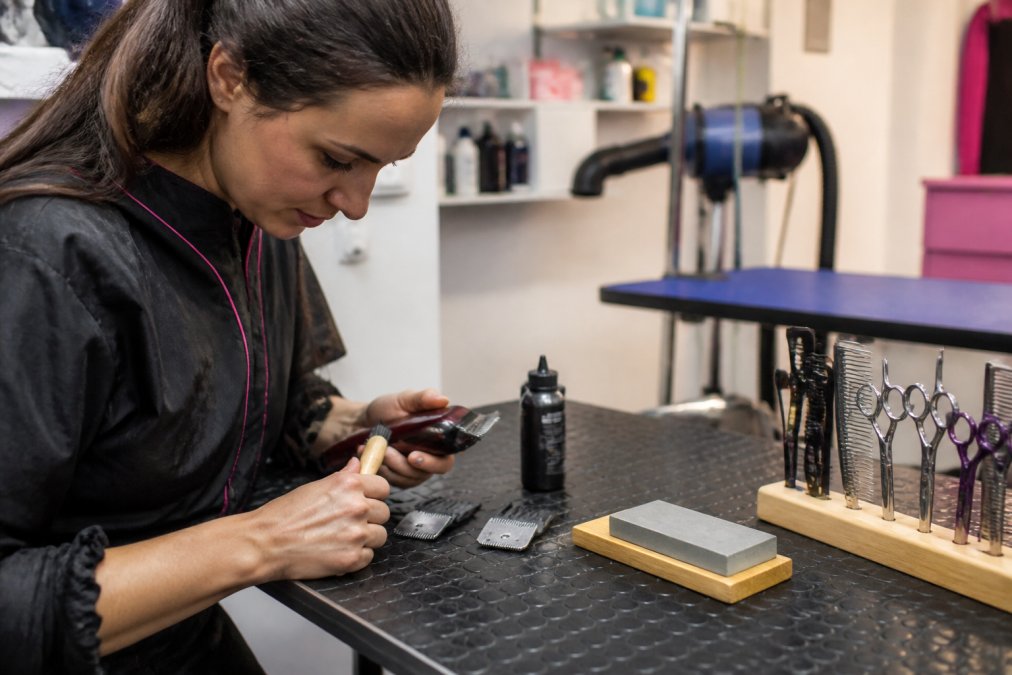
Storage matters too. Keep grooming tools in a dry environment, ideally in a protective case. Moisture causes rust and corrosion, especially on metal components. Professional tools often come with storage cases designed to protect them during storage and transport.
Document your maintenance schedule. Keep records of when you clean, oil, and service your tools. This helps you spot maintenance patterns and catch problems before they become serious. Professional groomers maintain detailed maintenance logs for each tool.
When to Splurge vs. When to Save on Your Grooming Kit
The decision to buy expensive grooming tools depends on your specific situation. If you groom your own dog occasionally, maybe once every 4-6 weeks, a budget tool might suffice. You won't use it enough to justify the premium price, and occasional use won't stress the equipment as heavily.
But if you groom weekly or maintain multiple dogs, expensive tools become financially sensible. The cost per use drops dramatically with regular use. Professional groomers should never compromise on tool quality because their livelihood depends on consistent results and tool reliability.
Consider your dog's coat type. Dogs with thick, double coats or matted fur need more powerful clippers. Budget tools struggle with challenging coat types, which means you'll make multiple passes and risk irritating the skin. Expensive tools handle difficult coats more efficiently, making them worthwhile for breeds like German Shepherds, Golden Retrievers, or Doodles.
Sensitive skin is another factor. Dogs prone to razor burn or skin irritation benefit from the precise blade control and heat management of professional tools. Budget tools are more likely to cause problems on sensitive skin. If your dog has skin issues, investing in quality equipment prevents discomfort.
The grooming environment matters too. If you groom in a hot climate or during warm months, heat dissipation becomes critical. Professional tools with superior cooling systems prevent overheating, which is essential in these conditions. Budget tools are more likely to overheat, which increases razor burn risk.
Your budget constraints are real, but consider this: buying one expensive clipper is often smarter than buying three budget clippers over the same period. You get better results, fewer problems, and lower total cost. WowHaul's curated selection of grooming tools focuses on this value proposition, choosing quality items that deliver better performance per dollar spent over time.
Ergonomics, Safety, and Repetitive Strain Prevention
Repetitive strain is a real concern for anyone grooming regularly. Poor ergonomics from cheap grooming tools can cause wrist pain, tendonitis, and carpal tunnel syndrome. Professional tools are designed with ergonomics as a priority, reducing strain during extended use.
Weight distribution matters significantly. A well-balanced clipper feels lighter in your hand and requires less muscular effort to control. Budget clippers often feel front-heavy or awkward, forcing your wrist into unnatural angles. Over weeks and months, this poor positioning causes cumulative strain.
Grip comfort is another ergonomic factor. Professional tools have rubberized, contoured grips that fit naturally in your hand and reduce slipping. Budget tools often have hard plastic grips that slip when wet and offer poor ergonomic support. A comfortable grip reduces hand fatigue and improves control.
Motor vibration affects ergonomics too. Clippers with inconsistent motor speed vibrate more, which transmits through the handle to your hand and arm. This vibration causes fatigue and can contribute to repetitive strain injury. Professional motors run smoothly with minimal vibration, reducing strain significantly.
Safety features distinguish expensive tools from budget alternatives. Professional clippers include blade guards, temperature sensors, and automatic shut-off features that prevent accidents. Budget tools often lack these safety features, increasing the risk of injury to you or the dog.
The blade tension adjustment is a safety feature often overlooked. Professional tools allow you to adjust blade tension, which prevents the blade from catching on skin or hair. This adjustability gives you control over cutting depth and safety. Budget tools have fixed blade tension, which can't be adjusted if problems develop.
Conclusion
Expensive grooming tools aren't a luxury, they're an investment in better results, safety, and long-term savings. The materials, engineering, and durability justify the upfront cost when you calculate cost per use over the tool's lifetime. Professional-grade equipment delivers consistent performance that budget tools simply can't match, especially on challenging coats or sensitive skin.
If you're serious about grooming your dog at home or offering grooming services, quality tools are non-negotiable. WowHaul's thoughtfully selected grooming equipment focuses on durability, ergonomics, and reliable performance, the features that actually matter. Start with one professional-quality clipper rather than cycling through multiple budget replacements. You'll spend less overall, achieve better results, and avoid the frustration of equipment failure mid-grooming session.
Frequently Asked Questions
Are expensive grooming tools really worth the investment for home use?
For regular home grooming, expensive tools justify their cost through durability and consistent results. Premium clippers and shears last 5-10 years with proper maintenance, while budget options often fail within 1-2 years. The cost-per-use becomes favorable quickly if you groom your dog monthly. However, if you groom only occasionally, a mid-range option may be more practical. Consider your grooming frequency and breed type before deciding.
What makes professional dog grooming equipment different from budget alternatives?
Professional-grade tools use high-carbon steel or stainless steel blades with precise tension control, powerful motors with better heat dissipation, and ergonomic designs that reduce repetitive strain. Budget clippers often have weaker motors that overheat, dull blades that cause razor burn, and poor grip ergonomics. Professional equipment delivers consistent results across different coat types and reduces stress on both the dog and groomer, making them worth the premium for frequent use.
How much can proper dog grooming tool maintenance tips save me over time?
Regular maintenance extends tool life by 3-5 years and prevents costly repairs. Cleaning blades after each use, oiling moving parts monthly, and professional sharpening annually costs $50-150 yearly but prevents blade replacement ($100-300 per set) and motor damage ($200+). A well-maintained premium clipper costs roughly $30-40 annually to maintain versus replacing budget clippers every 18 months at $150-200 each. Maintenance ROI typically pays for itself within 2-3 years.
What's the difference between budget and expensive grooming clippers for sensitive dog coats?
Expensive clippers maintain consistent blade temperature and tension, preventing razor burn on sensitive skin. Budget models overheat quickly, causing blade drag that irritates the coat. Premium clippers also feature adjustable blade spacing for different coat types and safety guards that prevent nicks. For dogs with allergies or sensitive skin, professional-grade tools reduce grooming-related stress and skin damage, making the investment essential for their wellbeing.
This article was written using GrandRanker