

Table of Contents
- Why Shoppers Seek Home Goods Alternatives
- Curated Home Goods Bundles and Collections
- How to Style a Farmhouse Home with Alternatives
- Price-Point Comparison Matrix for Home Goods
- Ethical and Sustainable Sourcing in Home Goods
- Shipping and Return Policies Across Retailers
- What to Know Before Switching Retailers
Last Updated: August 23, 2026
Why Shoppers Seek Home Goods Alternatives
When looking for home goods alternatives, the reasons typically come down to price, values, or availability. Maybe the aesthetic doesn't match your space, the price point feels steep, or you've discovered that ethical sourcing matters more than you realized. Finding the right retailer isn't just about picking the first option, it's about alignment with your budget, style, and values around sustainability and craftsmanship. This guide walks you through the landscape of home goods alternatives, helping you evaluate what matters most and find retailers that deliver on those priorities.
The market for curated home goods has exploded in recent years, with small businesses and artisan makers moving from niche to mainstream. This creates both opportunity and noise. Knowing which alternatives genuinely offer better value, ethics, or aesthetics requires looking beyond marketing promises.
Curated Home Goods Bundles and Collections
Curated bundles combine complementary items, throw pillows, wall art, textiles, seasonal kitchen accents, into a cohesive aesthetic. This saves time and removes guesswork.
The strength of a curated collection depends on thoughtful selection. Look for retailers that explain their curation philosophy, why pieces work together, and how they reflect current design trends while remaining timeless. Bundles mixing vintage-inspired pieces with modern accents appeal to shoppers seeking cottagecore or farmhouse style without dated feel.
Seasonal collections refresh quarterly, keeping offerings fresh. Spring collections emphasize lighter textiles and pastels; fall brings deeper tones and cozy kitchen accents. The best curated collections also offer flexibility, customizable bundles, color swaps, or build-your-own options that provide curation benefits without forcing one-size-fits-all packages.
How to Style a Farmhouse Home with Alternatives
Farmhouse style doesn't require sourcing everything from one retailer. Mixing pieces from different vendors often creates more authentic, layered aesthetics than buying complete collections from a single brand.
Start with the foundation: natural materials, neutral color palettes, and a sense of history. Farmhouse style leans on wood, linen, cotton, and metal in whites, creams, soft grays, and warm browns. Handmade pieces carry more weight than mass-produced items, making artisan goods retailers valuable for this aesthetic.
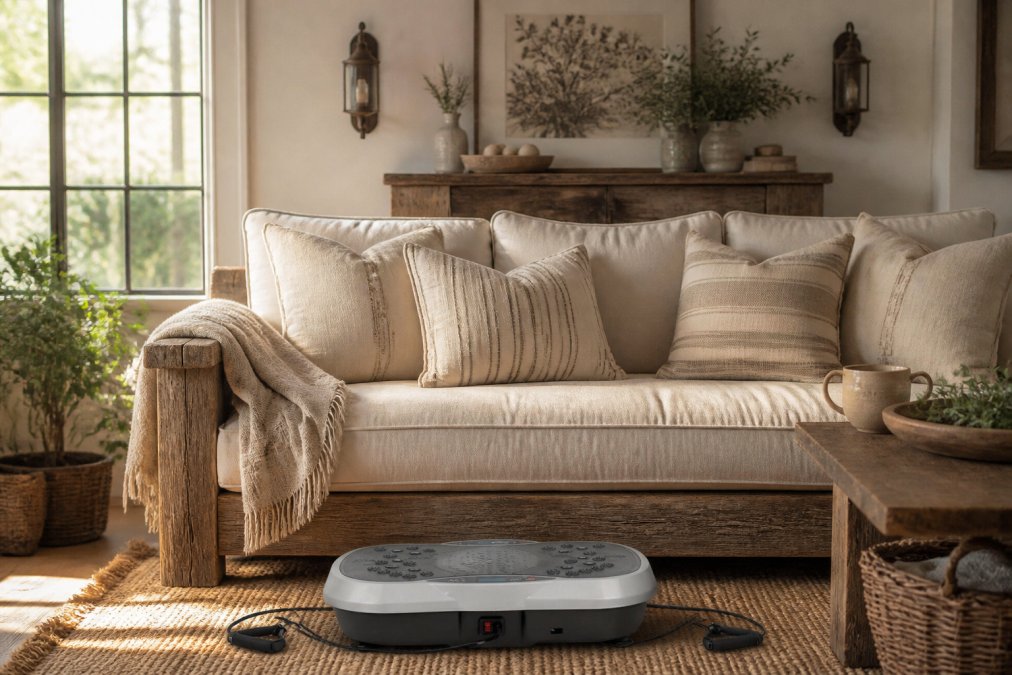
Build your farmhouse home by layering. Start with foundational pieces in neutral tones, add texture with throw pillows and blankets in natural fabrics, introduce wall art that feels collected rather than coordinated, and ground the aesthetic with seasonal kitchen accents. The best farmhouse homes look lived-in, not staged.
When sourcing from multiple retailers, aim for consistency in material quality and finish. Mixing high-quality handmade pieces with cheap imports reads as inconsistent, but mixing a vintage-inspired throw pillow from one maker with modern farmhouse wall art from another works beautifully. The common thread is intentionality.
Price-Point Comparison Matrix for Home Goods
Understanding how pricing breaks down across retailers helps you make smarter decisions about where to invest and where to save.
| Retailer Category | Entry-Level Price Range | Mid-Range Price Range | Premium Price Range | Best For |
|---|---|---|---|---|
| Mass Market | $15-40 per item | $40-80 per item | $80-150 per item | Budget-conscious shoppers, high volume |
| Artisan/Small Business | $25-60 per item | $60-120 per item | $120-300+ per item | Quality craftsmanship, unique pieces |
| Curated Collections | $30-70 per item | $70-150 per item | $150-400+ per item | Cohesive aesthetics, curation value |
| Sustainable/Ethical | $40-80 per item | $80-180 per item | $180-500+ per item | Values-driven shoppers, transparency |
Artisan goods and ethically sourced items typically cost more upfront but often outlast cheaper alternatives. A handmade throw pillow at $80 might last five years, while a $20 mass-market pillow might fade in two, significantly changing the cost-per-year calculation (peer-reviewed research).
Curated collections sit in the mid-to-premium range because you're paying for curation expertise and the retailer's sourcing relationships. Whether that premium is worth it depends on your priorities. Sustainable and ethical retailers typically command the highest prices because they're paying fair wages and sourcing responsibly, reflecting real operational differences rather than inflated pricing.
Ethical and Sustainable Sourcing in Home Goods
Ethical sourcing, paying fair wages, ensuring safe working conditions, sourcing materials responsibly, isn't a given in home goods. It's a choice some retailers make, showing in their pricing and transparency.
Look for retailers that disclose their supply chain. Where are items made? Who makes them? What materials are used? Retailers serious about ethics answer these questions specifically, naming factories and describing partnerships. This transparency costs money, which is why ethically sourced goods cost more.
American-made goods mean higher labor costs and higher retail prices, but also compliance with U.S. labor and environmental standards (dol.gov). Sustainable sourcing goes beyond ethics to environmental impact, renewable materials, waste-minimizing processes, eco-friendly packaging. A linen throw pillow costs more than synthetic alternatives, but linen is biodegradable and improves with age.
When evaluating ethics claims, look for specifics: certifications, named suppliers, detailed material information, and clear pricing reflecting actual ethical costs. Vague language about "responsibly sourced" without details is a red flag.
Shipping and Return Policies Across Retailers
Shipping and return policies determine whether an alternative retailer is viable for you. These policies also reveal how confident retailers are in their products.
Shipping policies vary widely. Some offer free shipping on orders over $50-100; others charge flat rates. For furniture or large items, shipping becomes a significant line item. Return windows matter more than you might think, 30 days is standard but tight for styling a room. A 60-90 day window gives you time to see how pieces work in your actual space and lighting.
Restocking fees typically run 15-20% of purchase price on some retailers, while others offer free returns (the FTC). Free return shipping is a significant benefit, especially for larger items. Retailers that make returns frictionless, instant label generation, fast refunds, no questions asked, signal confidence in their products and respect for customer time.
What to Know Before Switching Retailers
Switching retailers involves adjusting to different quality standards, aesthetic philosophies, shipping timelines, and customer service approaches.
First, understand what you're seeking in an alternative. Are you price-shopping? Chasing a different aesthetic? Prioritizing ethical sourcing? Values-driven decisions lead to better outcomes than random retailer selection.
Second, test with a small order before committing to a full room refresh. Buy one or two items to see how quality meets expectations, experience shipping timelines, and test customer service. A small test order is low-risk and provides real data.
Third, account for the time cost of shopping across multiple retailers. Sourcing a complete room from one curated collection takes hours off the process; shopping across five artisan makers takes significantly longer. If your time is limited, that convenience has real value.
Fourth, recognize that mixing retailers requires more intentional curation on your part. You need a stronger sense of your aesthetic and priorities. If you enjoy having someone else do that work, curated collections might deliver better results. If you enjoy the hunt and have clear aesthetic vision, alternatives give you more control and potentially better value.
Finally, don't assume alternatives are always cheaper. Sometimes they're more expensive because they offer better quality, ethical sourcing, unique handmade pieces, or expert curation. Make price comparisons specific to what you're buying.
At WowHaul, we believe finding the right home goods retailer comes down to alignment. Whether you're drawn to sustainable sourcing, artisan quality, curated collections, or better pricing, the best choice matches your actual priorities. Test options, compare specifics, and invest in pieces you'll genuinely use and enjoy for years. That's where real value lives, in the fit between what you need and what a retailer delivers.
Consider the Cold Extraction Bottle ($34.99) for a practical addition to your kitchen, or the Foldable EVA Yoga Mat ($47.60) for a versatile fitness solution. For those looking to enhance their daily routines, the Portable Pilates Bar and Resistance Band ($59.99) offers an all-in-one workout option. These items reflect WowHaul's commitment to quality solutions that simplify everyday living.
Frequently Asked Questions
What stores offer a similar aesthetic to Southern Homestead Mercantile?
Retailers like One Quince, Hawkins New York, and Good Earth focus on handmade, artisan home goods with a curated aesthetic similar to Southern Homestead. WowHaul also provides thoughtfully selected home goods designed to simplify everyday living. Each emphasizes quality textiles, vintage-inspired pieces, and small business partnerships. The key difference is how each retailer sources and bundles items, some prioritize ethical sourcing, others focus on American-made goods, and some emphasize seasonal collections.
Are there online retailers that specialize in curated home goods bundles?
Yes. One Quince and Curated Home Source both offer pre-assembled collections of complementary items designed to work together. WowHaul provides curated home goods bundles that combine practical finds for everyday living, including seasonal kitchen accents, textiles, and home styling pieces. These bundles save time by removing the guesswork of coordinating items yourself. Compare bundle pricing and return policies before purchasing, as bundled items often have different return windows than individual products.
How do I choose the right home decor store for my interior design style?
Start by identifying your aesthetic preference, farmhouse, cottagecore, modern, or shabby chic, then visit retailer websites to review their current inventory. Look for stores that emphasize the materials and design elements you value, whether that's handmade textiles, vintage-inspired pieces, or sustainable sourcing. Check customer reviews for quality and durability feedback. Consider shipping costs, return policies, and whether the store offers curated collections that match your style, as this can speed up your shopping process.
What makes WowHaul's home goods selection different from boutique mercantile shops?
WowHaul focuses on practical finds designed to simplify everyday living and build stronger routines. Unlike purely aesthetic-focused boutiques, WowHaul's curated selection balances style with functionality. The brand emphasizes quality solutions for home life, pet care, and organization. Each item is selected to deliver real value and ease into your daily routine, not just visual appeal. This practical approach appeals to busy professionals and homeowners seeking items that genuinely improve their living experience, not just decoration.
Where can I find affordable farmhouse-style home decor?
Mid-range retailers like Wayfair and Target offer farmhouse decor at lower price points than boutique alternatives. For affordable handmade or vintage-inspired pieces, check Etsy sellers specializing in farmhouse style. WowHaul provides curated selections that balance affordability with quality. Compare shipping costs across retailers, as free shipping thresholds vary widely. Seasonal sales and bundle discounts often reduce total cost, so timing your purchase strategically can yield better value.
This article was written using GrandRanker