

Table of Contents
- What You'll Need: Tools for Unclogging Sinks
- How to Unclog Sinks Efficiently: Quick Fixes First
- Natural Sink Unclogging Methods That Work
- How to Unclog a Kitchen Sink: Stubborn Clog Solutions
- Common Mistakes to Avoid When Unclogging Sinks
- Preventing Clogged Sinks: Maintenance Tips
- When to Call a Professional Plumber
- Conclusion
Last Updated: July 28, 2026
How to unclog sinks efficiently requires understanding both quick fixes and long-term prevention strategies. At WowHaul, we've compiled practical guidance for tackling clogs at every severity level, from minor blockages to stubborn buildup. Below, we'll show you exactly how to diagnose the problem, select the right tool, and execute solutions that actually work.
Most people reach for chemical drain cleaners first, a mistake. Caustic ingredients damage pipes, harm septic systems, and create dangerous fumes. Mechanical and natural methods work just as well and cost far less. What separates efficient unclogging from repeated problems is matching your approach to the clog type. A minor hair clog needs different treatment than a grease blockage.
What You'll Need: Tools for Unclogging Sinks
Before attempting any unclogging method, assemble the right tools. Most items cost under $30 and last for years.
Essential Hand Tools
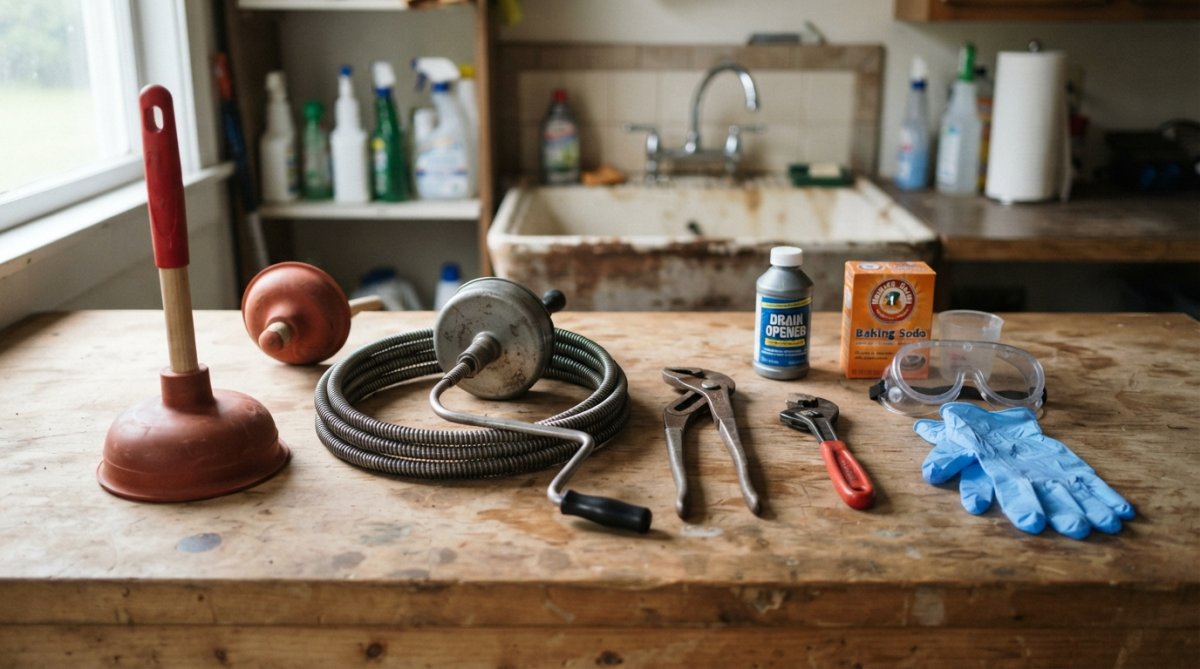
A quality cup plunger is the foundation of sink unclogging. The seal matters most, if it doesn't create an airtight fit over the drain, it won't generate the suction needed to dislodge clogs.
Drain snakes, also called plumbing augers, break through stubborn blockages that plungers can't reach. A hand-crank snake costs $15-25 and handles most residential clogs. The barbed head catches hair and debris, pulling them up rather than pushing them deeper.
Needle-nose pliers or a straightened wire coat hanger work for removing visible debris near the drain opening. Rubber gloves protect your hands and improve grip. A bucket catches water when you disassemble trap pipes. A flashlight helps you see inside the drain opening.
Chemical and Natural Solutions
Baking soda and white vinegar are the most effective natural alternatives to chemical drain cleaners. These create a fizzing reaction that breaks down organic debris without corroding pipes. Boiling water alone solves many clogs, especially those caused by soap residue and grease buildup. Salt mixed with boiling water increases the abrasive action.
Commercial drain cleaners should be your last resort. If you use them, select enzyme-based products over caustic ones. Enzyme cleaners break down organic material more gently but work slowly, often requiring overnight treatment.
How to Unclog Sinks Efficiently: Quick Fixes First
The most efficient approach starts simple and escalates only if needed. Most clogs yield to the first or second method attempted.
The Plunger Method
Fill the sink with 3-4 inches of water to create the seal necessary for the plunger to work. Position the plunger cup directly over the drain, covering it completely. Press down and pull up rapidly 15-20 times without breaking the seal. The goal is to create suction that dislodges the clog.
After plunging, check the drain. Water should drain quickly if the clog broke apart. If water still pools, repeat the process two more times before moving to another method. Most hair clogs clear on the first or second attempt.
A common mistake is plunging too gently. You need forceful, rapid movements to create the wave that pushes through the blockage.
Remove Visible Debris
Before using any tool, look inside the drain opening. Hair clogs often sit just below the surface where you can reach them. Use needle-nose pliers or a straightened wire hanger to pull out visible strands.
This step takes 30 seconds and prevents pushing debris deeper. Many people skip it and struggle unnecessarily with plungers or snakes. If you can see the clog, remove it directly.
Natural Sink Unclogging Methods That Work
When plunging fails, natural methods provide a non-toxic alternative that doesn't harm your pipes or septic system.
Baking Soda and Vinegar Technique
Pour half a cup of baking soda directly down the drain. Follow immediately with one cup of white vinegar. The mixture fizzes and expands, creating pressure that breaks apart clogs. Cover the drain with a plug or wet cloth to contain the reaction.
Let the mixture sit for 30 minutes. After 30 minutes, flush the drain with boiling water. The combination of heat and pressure pushes the loosened debris through. This method works on clogs 1-2 inches below the drain opening. Repeat if water still drains slowly.
Boiling Water and Salt
Boil a kettle of water, about 2 quarts. While waiting, pour half a cup of salt down the drain. When the water reaches a rolling boil, carefully pour it down the drain in a steady stream.
The combination of heat and salt's abrasive properties works on grease-based clogs. Let the hot water sit in the drain for 5-10 minutes, then flush with cold water. For stubborn grease clogs, repeat the process. This approach is particularly effective for kitchen sinks and costs almost nothing.
How to Unclog a Kitchen Sink: Stubborn Clog Solutions
Kitchen sinks present unique challenges because clogs often combine grease, food particles, and soap residue. When natural methods don't work, mechanical solutions become necessary.
Using a Drain Snake
Insert the drain snake into the drain opening and begin cranking the handle. The rotating motion pushes the barbed head deeper into the pipe. As you crank, you'll feel resistance when the snake contacts the clog.
Continue cranking while applying steady downward pressure. The barbed head catches hair and debris, pulling them toward the surface. Once you've broken through, crank backward to pull the snake out. Repeat if water still doesn't drain. After using the snake, flush the drain with hot water to clear remaining particles.
Wet Vacuum Method
A wet-dry vacuum creates powerful suction that can pull clogs up through the drain. Set the vacuum to wet mode and attach the hose to the drain opening. Create a seal around the drain with your hand or a wet cloth. Turn on the vacuum and let it run for 10-15 seconds. Hair clogs often come up intact.
Common Mistakes to Avoid When Unclogging Sinks
Using chemical drain cleaners as your first option damages pipes over time. The caustic ingredients weaken PVC and metal pipes, and repeated use accelerates corrosion.
Plunging with insufficient water in the sink creates no seal, making the plunger useless. You need enough water to cover the plunger cup completely.
Ignoring visible debris and jumping straight to plunging pushes hair deeper into the pipe, making removal harder. Always check for and remove surface debris first.
Mixing different drain cleaning methods simultaneously creates dangerous chemical reactions. Never combine commercial drain cleaners with vinegar or other substances.
Waiting too long before addressing a slow drain lets partial clogs become complete blockages. Use preventive methods immediately when water drains slowly.
Preventing Clogged Sinks: Maintenance Tips
Prevention requires far less effort than unclogging. Simple habits stop most clogs before they form.
Daily Drain Care Habits
Use drain screens in every sink. These inexpensive plastic or metal screens catch hair and food particles before they enter pipes. Empty the screens daily into the trash. This single habit prevents 70% of common clogs.
Run hot water down the drain for 30 seconds after using the sink. This flushes debris and prevents grease from solidifying on pipe walls. Never pour grease down the drain, let it cool, solidify, and throw it in the trash.
Avoid pouring coffee grounds down the drain. They accumulate and form blockages, as do cooking oils and pasta starch.
Monthly Deep Cleaning Routine
Once monthly, perform a preventive baking soda and vinegar treatment. Pour half a cup of baking soda down the drain, followed by one cup of vinegar. Let it fizz for 30 minutes, then flush with boiling water.
This routine breaks down buildup before it becomes a clog. It's especially important for kitchen sinks where grease accumulation is inevitable.
| Maintenance Task | Frequency | Time Required | Prevention Impact |
|---|---|---|---|
| Empty drain screens | Daily | 1 minute | Prevents 70% of clogs |
| Hot water flush | After each use | 1 minute | Prevents grease buildup |
| Baking soda treatment | Monthly | 40 minutes total | Breaks down existing buildup |
| Check for slow drains | Weekly | 2 minutes | Catches problems early |
When to Call a Professional Plumber
Some situations exceed DIY capabilities. Call a plumber if water backs up into other drains simultaneously, this indicates a blockage in the main sewer line, not a single sink.
If you've attempted plunging, snaking, and natural methods without success, a plumber has access to motorized augers and camera inspection equipment. Persistent clogs that return within days suggest a deeper problem requiring professional diagnosis.
If you hear gurgling sounds from other drains when one sink is in use, this indicates a venting problem or main line issue. For older homes with cast iron or galvanized pipes, aggressive snaking risks damaging the pipe walls.
Conclusion
How to unclog sinks efficiently comes down to matching your method to the clog type and knowing when to escalate. Start with plunging and visible debris removal. Progress to natural methods like baking soda and vinegar or boiling water and salt. Reserve mechanical snaking for stubborn blockages. Chemical cleaners should be your absolute last resort.
Prevention habits, drain screens, hot water flushes, and monthly treatments, prevent most clogs from forming. These simple routines take minutes but save hours of troubleshooting.
When you're ready to tackle sink maintenance, WowHaul offers practical cleaning and maintenance products designed for efficient home care. Our curated selection includes drain screens, natural cleaning solutions, and tools that simplify everyday routines. EPA guidance on household chemical safety emphasizes using non-toxic alternatives whenever possible. Explore WowHaul's collection and build a maintenance routine that keeps your drains flowing freely without harsh chemicals or emergency plumber calls.
Frequently Asked Questions
What's the most effective way to unclog a sink efficiently?
Start with simple methods first: use a plunger, remove visible debris, or try the baking soda and vinegar method. For stubborn clogs, a drain snake or wet vacuum often works well. The most effective approach depends on what's causing the clog, hair, grease, or food buildup each respond differently. Always start with the least invasive method before moving to stronger solutions.
Can baking soda and vinegar really unclog a sink?
Yes, baking soda and vinegar is an effective natural sink unclogging method for minor to moderate clogs. Pour baking soda down the drain, follow with vinegar, cover the drain, and wait 15-30 minutes before flushing with hot water. This chemical reaction helps break down organic buildup. It works best for clogs caused by hair, soap scum, or food residue, but may not clear severely blocked drains.
How long does it typically take to unclog a sink?
Simple clogs using a plunger or natural methods usually take 5-15 minutes. The baking soda and vinegar method requires 15-30 minutes of waiting time. Drain snake removal might take 10-20 minutes depending on clog location and severity. Stubborn clogs requiring multiple methods or professional help can take 30 minutes to several hours. Prevention is faster than repair, maintaining your drains saves time overall.
When should I call a plumber instead of trying to unclog a sink myself?
Call a professional if the clog persists after trying multiple methods, if water backs up into other drains, if you notice foul odors indicating a deeper issue, or if the clog is in the main line. Also seek help if you're uncomfortable using tools or chemicals, or if repeated clogs suggest a structural problem. Professional plumbers have specialized equipment and expertise for complex situations that DIY methods can't resolve.
Additional Resources
[EXTERNAL_LINK: CDC guidance on household drain and pipe maintenance | cdc.gov] provides information on preventing bacterial growth in drains. [EXTERNAL_LINK: Plumbing Standards and Codes from the International Code Council | icc.org] outlines proper drain installation and maintenance standards. Understanding these standards helps you maintain your plumbing system correctly and avoid damage from improper unclogging methods.
This article was written using GrandRanker