

Table of Contents
- Financial Alternatives to Pet Insurance and Out-of-Pocket Costs
- Veterinary Care and Medical Cost Management Strategies
- Best Pet Grooming Supplies Online for Home Care
- How to Choose Safe Pet Products That Work for Sensitive Animals
- Holistic and Natural Veterinary Treatments
- Community-Based Support, Crowdfunding, and Preventative Wellness
- Migopaw Alternatives: Finding the Right Pet Care Solution
- Conclusion
Last Updated: August 5, 2026
Financial Alternatives to Pet Insurance and Out-of-Pocket Costs
Managing pet healthcare costs doesn't require traditional pet insurance. A combination of financial strategies and preventative planning often delivers better results than monthly premiums.
Self-funding through dedicated pet savings accounts remains straightforward. Rather than paying insurance premiums, you set aside a fixed amount monthly into a separate account for veterinary care. This works particularly well for younger, healthier pets where major claims are unlikely. Every dollar you save stays yours, and you're never denied coverage.
Veterinary discount plans operate differently from insurance. These membership programs offer 10-40% discounts at participating clinics without claims processing or coverage limitations. You pay an annual fee (typically $50-150) and receive immediate savings at checkout. Unlike insurance, there's no waiting period, no exclusions for pre-existing conditions, and no claim forms. You're responsible for the discounted price upfront; the plan reduces costs rather than covering them.
Care credit and veterinary payment plans allow you to spread costs over time. Many clinics partner with financing companies offering 6-12 month interest-free periods for planned procedures like spays, neuters, and dental cleanings. Many practices will work with you on payment arrangements for emergencies if you ask directly.
Veterinary Care and Medical Cost Management Strategies
Preventative wellness is the single most effective way to reduce long-term veterinary expenses. Regular checkups, vaccinations, and early intervention catch problems before they become expensive emergencies. A pet seen annually for routine care typically costs far less over their lifetime than one rushed to emergency clinics with advanced conditions.
Negotiating directly with your veterinarian yields surprising results. Many practices offer discounts for cash payments, bundle discounts, or reduced rates for seniors or low-income pet owners. Some clinics offer "wellness plans" that bundle routine care into a flat monthly fee, essentially an in-house insurance alternative. Ask your vet explicitly about these options.
Telemedicine for pets offers consultations with licensed veterinarians at a fraction of in-clinic visit costs. For non-emergency questions, skin issues, behavioral concerns, or medication refills, a video call can resolve issues without a $100+ office visit.
Generic medications represent significant savings. When your vet prescribes medication, ask if a generic equivalent exists. Compounding pharmacies can prepare custom formulations at lower costs than brand-name products, particularly for chronic conditions where medication costs accumulate over months or years.
Emergency clinics charge 2-3x more than regular veterinary practices. If your pet's condition isn't immediately life-threatening, waiting until morning to see your regular vet can save hundreds of dollars. True emergencies, trauma, severe bleeding, difficulty breathing, warrant the cost.
Best Pet Grooming Supplies Online for Home Care
Grooming at home eliminates the $50-100+ per visit cost of professional services while giving you complete control over what touches your pet's skin. Quality grooming supplies matter enormously, especially for pets with sensitive skin or allergies.
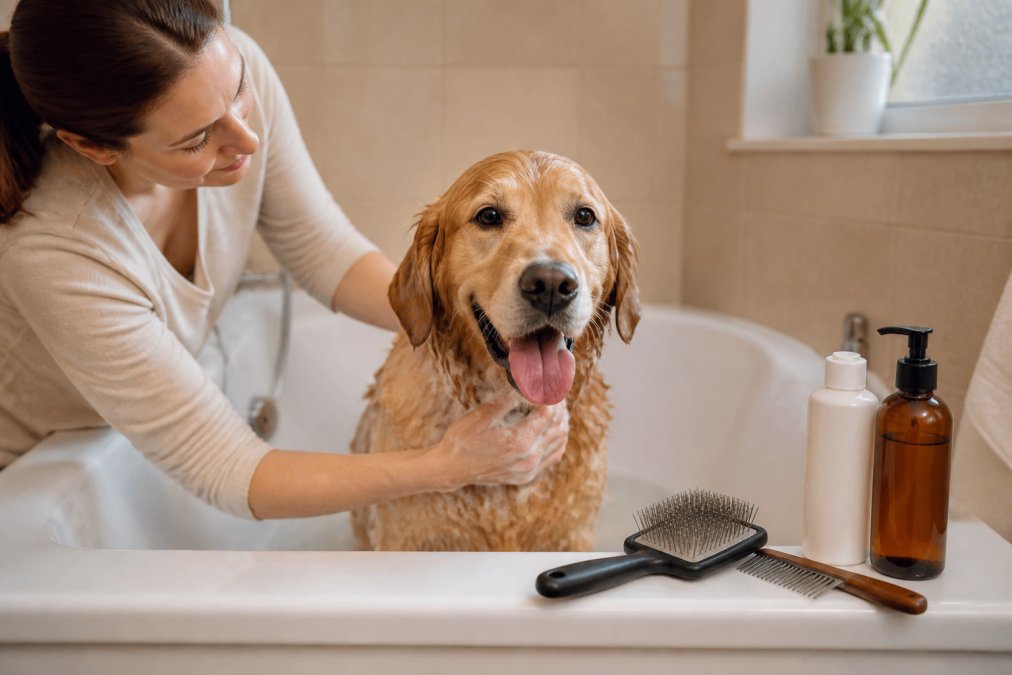
Essential supplies include a slicker brush (removes mats and loose undercoat), a dematting comb (for tangles and knots), a de-shedding tool like a FURminator (dramatically reduces loose hair), nail clippers or a grinder, and quality pet shampoo formulated for your pet's skin type. Nail care alone saves hundreds annually since professional grooming charges $15-30 per trim, and most pets need it every 4-6 weeks.
WowHaul curates practical grooming supplies specifically selected for durability and pet comfort. Rather than overwhelming you with every option available online, WowHaul focuses on tools that actually work for home grooming, ones that reduce matting, handle sensitive skin, and last through years of use.
Investing in proper tools upfront costs more than budget alternatives but pays for itself within 3-4 professional grooming visits you'll no longer need. A quality dematting comb ($20-30) prevents the $100+ "mat removal" charge at grooming salons. A proper deshedding tool ($40-60) reduces shedding dramatically, meaning less vacuuming and fewer mats forming.
Bathing frequency and technique matter as much as supplies. Most pets only need bathing every 4-12 weeks, depending on coat type and activity level. Over-bathing strips natural oils and irritates skin. Proper technique, lukewarm water, thorough rinsing, gentle drying, prevents the skin inflammation that leads to expensive dermatology visits.
How to Choose Safe Pet Products That Work for Sensitive Animals
Pets with allergies or sensitive skin require careful product selection. The wrong shampoo, treat, or supplement can trigger itching, skin infections, or digestive upset that lands you at the vet with a $300+ bill.

Start by identifying your pet's actual sensitivities. Many owners assume their pet is "allergic to everything" when really one or two ingredients trigger reactions. Common culprits include corn, wheat, soy, beef, chicken by-products, artificial dyes, and fragrance compounds. Keep a simple log: when your pet reacts, note what they ate or what product you used. Patterns emerge within 2-3 weeks.
Ingredient transparency is your first filter. Avoid products listing "meat by-products," "animal fat," or vague terms like "natural flavors." Look for named meat sources and whole food ingredients you recognize. Grain-free doesn't automatically mean better, but if your pet reacts to grains, it matters.
Patch testing works for topical products. Before applying a new shampoo to your entire pet, wash a small area and wait 24 hours. If no redness, itching, or irritation appears, the full bath is likely safe.
Hypoallergenic and sensitive-skin formulas vary wildly in quality. The term "hypoallergenic" isn't regulated. Read reviews from other owners with sensitive-skin pets, looking for specific comments about itching, skin improvement, or coat quality. One person's miracle product might be another's trigger.
WowHaul's selection process emphasizes products that actually work for sensitive animals, not products that simply claim to. This means vetting formulas with veterinarians and real pet owners before including them, rather than stocking whatever's trendy.
Price and quality don't always correlate. What matters is whether the formula works for your pet's specific triggers. Test one product at a time, giving it 2-3 weeks before switching.
Holistic and Natural Veterinary Treatments
Holistic and natural approaches complement conventional veterinary care rather than replacing it. Acupuncture, herbal supplements, and therapeutic modalities address pain and chronic conditions in ways that sometimes reduce medication dependence.
Acupuncture for pets has gained credibility within mainstream veterinary medicine. Licensed veterinary acupuncturists use acupuncture to manage arthritis pain, mobility issues, and chronic conditions. For an aging dog with arthritis, acupuncture sessions ($50-150 per session) sometimes reduce the need for expensive pain medications with side effects.
Herbal supplements offer options for pet owners seeking natural approaches. Turmeric has anti-inflammatory properties; fish oil supports joint health and coat quality; ginger aids digestion. These are research-backed supplements that many holistic vets recommend. Source from reputable manufacturers that test for purity and potency.
Hydrotherapy uses water-based exercise to build strength, reduce pain, and aid recovery after injury or surgery. A dog swimming in a heated pool bears less weight on joints, allowing exercise that land-based activity would make painful. For post-surgical recovery or arthritis management, hydrotherapy sessions ($40-80 per session) can reduce pain medication duration and speed recovery.
Chiropractic care for pets addresses musculoskeletal alignment and nerve function. A veterinary chiropractor manipulates joints and spine to improve mobility and reduce pain. This works particularly well for working dogs, athletic pets, or those with chronic back issues.
Holistic treatments should work alongside, not instead of, conventional veterinary care. A dog with a ruptured disc needs surgical evaluation; acupuncture and herbal support can aid recovery afterward. A pet with an infection needs antibiotics; botanical supplements can support immune function during treatment.
Community-Based Support, Crowdfunding, and Preventative Wellness
Community support systems and crowdfunding platforms provide relief when emergencies exceed your savings. While not a replacement for financial planning, these resources offer real help.
Crowdfunding for pet medical emergencies works through platforms like GoFundMe and pet-specific sites where you create a campaign explaining your pet's situation. Many campaigns raise 50-100% of their goal. This works best when you've exhausted other options and genuinely need help.
Community pet networks and local support groups connect owners facing similar challenges. These groups share resources, recommendations for affordable vets, bulk-buying opportunities for medications, and advice on managing specific conditions. Some communities have pet food banks or medical assistance programs for low-income pet owners.
Preventative wellness reduces the likelihood you'll need emergency support. This means annual checkups, vaccinations, parasite prevention, and dental care. It means maintaining healthy weight, providing appropriate exercise, and catching health issues early.
Wellness plans offered by veterinary clinics bundle routine preventative care into a monthly fee. These plans typically cover annual exams, vaccinations, parasite prevention, and dental cleanings. For a pet owner committed to preventative care, these plans (usually $20-50 monthly) cost less than paying for services individually.
Lifestyle choices dramatically impact long-term health costs. Maintaining healthy weight, providing regular exercise, managing stress, and preventing injuries reduce veterinary needs substantially.
Migopaw Alternatives: Finding the Right Pet Care Solution
When evaluating migopaw alternatives for pet care, you're asking: what combination of financial strategy, veterinary approach, and product quality best fits my situation? The answer depends on your pet's health status, your budget, and what aspects of pet care matter most to you.
If you have a young, healthy pet with no chronic conditions, self-funding through a dedicated savings account often beats insurance. You'll likely spend less annually than insurance premiums cost, and every dollar you save stays yours. Pair this with preventative care at your regular vet, home grooming, and quality products from WowHaul, and you've built a system that costs less while giving you more control.
For pets with chronic conditions or ongoing medical needs, a veterinary wellness plan or discount membership becomes more valuable. These approaches guarantee access to regular care without claim denials or coverage gaps.
If you're managing a sensitive-skin pet or one with allergies, product selection becomes your biggest cost factor. Poor product choices trigger reactions that lead to expensive vet visits. WowHaul's curated approach eliminates the trial-and-error cycle that costs money and causes your pet discomfort.
For emergency situations, having a financial plan matters more than the specific plan itself. Whether that's a savings account, payment plan agreement with your vet, or understanding your access to crowdfunding, knowing your options in advance prevents panic during crisis.
The strongest approach combines multiple strategies: preventative care through regular vet visits, home grooming with quality tools, a dedicated pet savings account for unexpected costs, and products selected carefully for your pet's specific needs. This multi-layered approach costs less than insurance while giving you flexibility and control.
| Strategy | Best For | Cost Range | Key Advantage |
|---|---|---|---|
| Self-funded savings account | Young, healthy pets | $50-150/month | Complete control, lower cost |
| Veterinary wellness plan | Regular preventative care | $25-50/month | Guaranteed access, predictable costs |
| Discount membership | Cost-conscious owners | $50-150/year | Immediate savings, no claims |
| Home grooming supplies | Frequent grooming needs | $100-300 upfront | Eliminates recurring grooming costs |
| Telemedicine consultations | Non-emergency questions | $30-75/visit | Quick, affordable advice |
| Holistic modalities | Chronic pain/arthritis | $50-150/session | Reduces medication dependence |
Finding the right migopaw alternative means understanding your pet's actual needs rather than assuming one solution fits all situations. Young, healthy pets benefit from self-funding and preventative care. Pets with chronic conditions need consistent access to medical management. Sensitive-skin animals require careful product selection and home grooming. WowHaul simplifies this by curating practical pet care products and grooming supplies specifically chosen to support healthy, happy pets while reducing unnecessary costs. Start by identifying your pet's specific situation, then build a strategy that addresses those needs efficiently.
Frequently Asked Questions
What are the best alternatives to Migopaw for pet supplies?
Alternatives depend on whether you're seeking financial relief, different product types, or care approaches. Financial options include wellness plans, community crowdfunding, and self-funding strategies. For supplies, online retailers offering grooming tools, natural remedies, and preventative wellness products provide cost-effective choices. For medical care, veterinary networks and consultation services offer alternatives to traditional pet insurance. Evaluate your pet's specific needs, budget, and preferred care approach to identify the best fit for your situation.
How do I choose safe pet products for animals with sensitive skin or allergies?
When selecting safe pet products, examine ingredient labels for known allergens and irritants specific to your pet. Look for products from brands emphasizing hypoallergenic formulations and veterinary consultation in development. Request patch tests or trial sizes before committing to full products. Check for third-party testing certifications and read customer reviews from owners with similarly sensitive pets. Consult your veterinarian before introducing new products, especially botanical treatments or supplements, to ensure compatibility with your pet's health status and medications.
Is it safe to switch pet care brands?
Switching pet care brands can be safe when done gradually. Introduce new products slowly over 7-10 days, mixing them with familiar items to allow your pet's system to adjust. Monitor for allergic reactions, digestive upset, or behavioral changes. Some pets with severe sensitivities may need veterinary approval before switching. Discontinue immediately if adverse reactions occur and return to your previous brand. Document which products work well for your pet to streamline future transitions and avoid repeating unsuccessful attempts.
What should I look for when buying pet health and grooming supplies?
Prioritize quality, safety certifications, and suitability for your pet's specific needs. Check that grooming tools are made from durable, non-toxic materials and appropriately sized for your pet. For health products, verify ingredients are recognized by veterinary standards and free from harmful additives. Look for brands offering customer support and clear return policies. Read reviews from pet owners with similar animals and consult your veterinarian about recommended products. Consider your pet's age, health status, and any known sensitivities when evaluating options.
Are there affordable alternatives to premium pet care products?
Yes, several affordable alternatives exist. Community-based support systems and crowdfunding platforms help distribute veterinary costs. Preventative wellness approaches, including home grooming and natural remedies, reduce reliance on expensive professional services. Wellness plans offered directly by veterinary clinics often cost less than traditional insurance. Online retailers selling quality grooming supplies at competitive prices enable at-home care. Fostering and volunteer opportunities with animal welfare organizations provide support networks. Comparing options and prioritizing preventative care over emergency treatment typically reduces overall pet care expenses.
This article was written using GrandRanker