

Table of Contents
- Understanding Pet Allergy Triggers and Symptoms
- Best Air Purifier for Pet Allergies
- How to Reduce Pet Dander in Home
- Over-the-Counter Pet Allergy Medication
- Natural and Non-Toxic Home Remedies
- Creating Your Pet Allergy Relief Strategy
- Conclusion
Last Updated: August 10, 2026
Understanding Pet Allergy Triggers and Symptoms
Pet allergies stem from your immune system's reaction to proteins in pet dander, saliva, and urine. When you breathe in these allergens or they contact your skin, your immune system releases histamine, triggering sneezing, itching, and congestion. These microscopic proteins cling to fur, bedding, and furniture for weeks, a single cat can trigger reactions in people not even in the same room.
Common symptoms include nasal congestion, sneezing, runny nose, itchy or watery eyes, and skin irritation. Some people experience severe reactions like difficulty breathing or asthma flare-ups. Cats typically trigger stronger reactions than dogs because they groom themselves more frequently, spreading saliva-based allergens.
Best Air Purifier for Pet Allergies
The Levoit Vital 200S Smart True HEPA Air Purifier is a practical choice for pet owners managing allergies in medium to large rooms. Its 3-stage filtration system includes a pre-filter, H13 True HEPA filter capturing particles as small as 0.3 microns, and activated carbon for odor removal. Coverage extends to 300 square feet, suitable for bedrooms, living rooms, or home offices.
Pet Mode optimizes the purification cycle specifically for dander and odors. Sleep mode operates quietly at 22 decibels without disrupting rest. The trade-off is maintenance: HEPA filters require replacement every 6-8 months, adding ongoing costs. For very large open-concept homes, multiple units are needed.
How to Reduce Pet Dander in Home
Reducing pet dander requires coordinated effort across three fronts: removing dander from surfaces, preventing it from spreading, and neutralizing it at the source.
Vacuuming and Floor Care
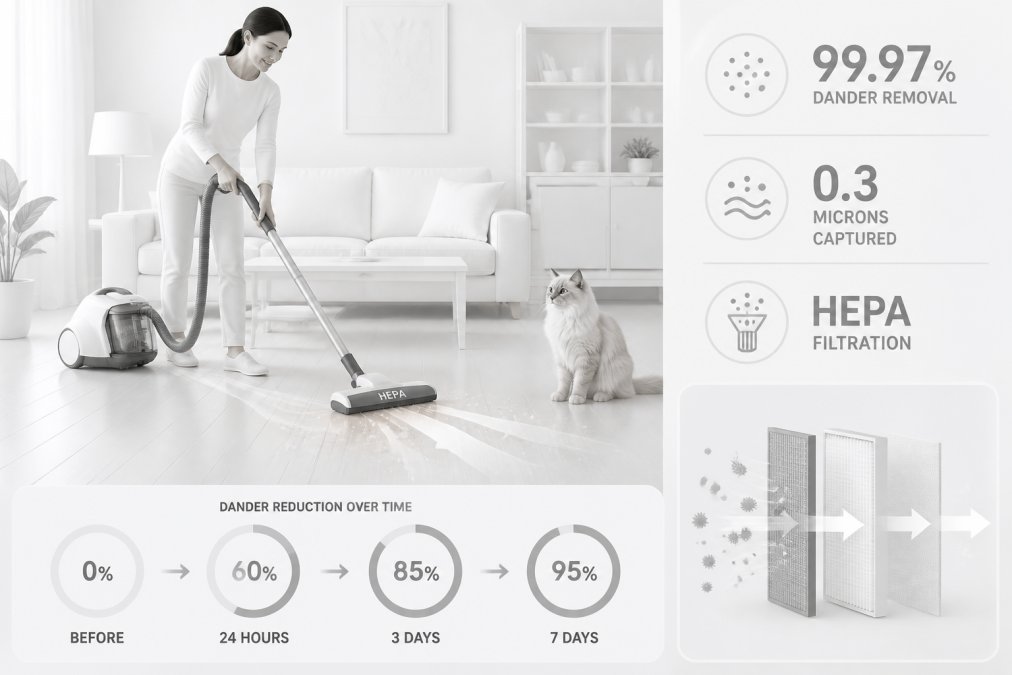
A standard household vacuum recirculates allergens back into the air. The SEBO Felix Premium Upright Vacuum uses hospital-grade HEPA filtration with a fully sealed system, trapping allergens permanently. The bagged design prevents exposure to filter contents during maintenance.
Vacuum high-traffic areas and pet sleeping zones at least twice weekly. Use a damp microfiber cloth to wipe hard floors between vacuuming sessions, which captures particles rather than dispersing them. Frequency matters more than intensity, two thorough passes weekly outperforms one aggressive session because you're preventing dander from accumulating to high levels.
Pet Grooming and Bathing Practices
Bathing your pet removes dander directly from the source. Ecology Works Anti-Allergen Pet Shampoo uses a plant and mineral-based formula designed to neutralize allergen proteins on contact. Bathe your pet every 1-2 weeks if allergies are significant; more frequent bathing can dry out skin and worsen dander production.
Between baths, use allergen-removing wipes like TropiClean OxyMed Soothing Relief Wipes to remove environmental allergens without requiring a full bath. For cats, who resist water immersion, Allerpet Cat Dander Remover removes dander and allergens from fur without rinsing. Apply it with a damp cloth 2-3 times weekly.
Bedding and Fabric Protection
Wash pet bedding weekly in hot water with Ecology Works Anti-Allergen Laundry Detergent, which removes dust mites, pet dander, pollen, and mold. For your own bedding, use the same detergent weekly. The AllerEase Waterproof Allergy Protection Bundle provides zippered mattress and pillow protectors blocking 99.9% of household allergens and are machine washable.
Consider whether your pet needs bedroom access. Closing the bedroom door at night creates an allergen-free sleep zone, which significantly improves nighttime symptoms and sleep quality.
Over-the-Counter Pet Allergy Medication
Medication addresses your body's allergic response while environmental controls reduce allergen exposure. The most effective approach combines both.
Nasal Sprays and Decongestants
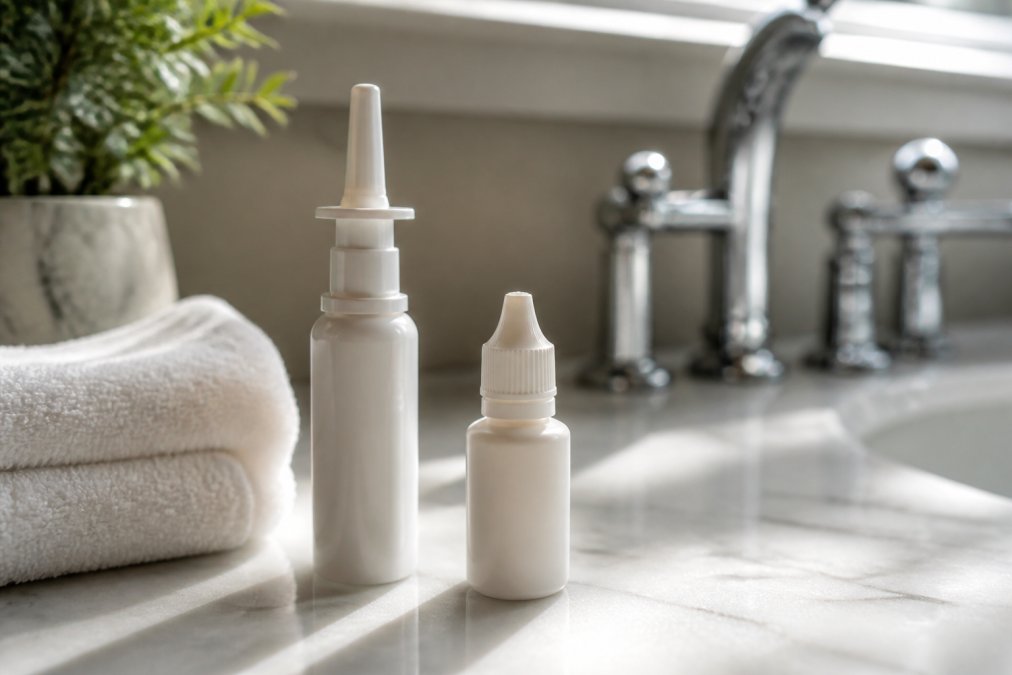
Flonase Allergy Relief Nasal Spray blocks six key inflammatory substances in nasal tissue, addressing congestion, sneezing, runny nose, and itchy nose simultaneously. The corticosteroid formula provides 24-hour relief with once-daily use, though it typically takes 2-3 days to reach full effectiveness.
Apply once daily, preferably in the morning. Consistency matters; skipping doses reduces effectiveness. Unlike antihistamine tablets, nasal corticosteroids do not cause drowsiness and work locally rather than systemically.
Some users experience mild nosebleeds during the first few days, usually resolving as nasal tissue adjusts. Tolerance can develop with continuous use over many months; taking a one-week break every few months may restore effectiveness.
Oral Antihistamines
Oral antihistamines like cetirizine (Zyrtec) or loratadine (Claritin) provide systemic relief for multiple symptoms in a single dose. These non-drowsy formulations don't cross the blood-brain barrier. A month's supply costs $8-$15 for generic versions, making them among the cheapest long-term options.
Onset is slower than nasal sprays, typically 30-60 minutes, so they work best as preventive daily medication. Effectiveness remains consistent over time without the tolerance buildup some users report with nasal sprays. If effectiveness plateaus after several weeks, rotating between different antihistamine classes can restore responsiveness.
Antihistamine Eye Drops
Zaditor Eye Allergy Itch Relief Eye Drops contain ketotifen fumarate, an antihistamine that works directly on eye tissue. Relief occurs within minutes, lasting up to 12 hours. Use twice daily, morning and evening, even on mild symptom days. Keep the bottle refrigerated for additional soothing sensation. A bottle costs approximately $8-$12 and lasts 4-6 weeks.
Eye drops only address eye symptoms and work best as a targeted supplement combined with a nasal spray or oral antihistamine for comprehensive symptom management.
Building Your Medication Strategy
Start with a single medication type and track symptom improvement over two weeks. If one medication class doesn't provide adequate relief, add a second rather than switching entirely.
Natural and Non-Toxic Home Remedies
Natural remedies work best as part of a layered strategy, not as standalone solutions. Understanding their actual effectiveness helps you decide where they fit in your relief plan.
Saline Nasal Rinses and Their Role
Saline nasal rinses provide allergen removal without medication. Mix salt and water using a neti pot or saline rinse bottle, and irrigate nasal passages twice daily. This physically removes allergens, mucus, and inflammatory debris from nasal tissue. The rinse is safe for daily use and works well as a complementary approach alongside other strategies.
Saline irrigation mechanically flushes out particles and reduces inflammation, providing temporary relief lasting 2-4 hours. This makes rinses most effective immediately before bed or before work. Unlike medications, saline doesn't prevent allergic response; it removes the trigger after exposure. Some people find that rinsing twice daily plus a single daily antihistamine controls symptoms better than medication alone.
The limitation: saline rinses require active participation and must be done consistently. If you're considering saline as your primary nasal strategy, be honest about whether you'll maintain twice-daily use.
Air Circulation and Passive Allergen Reduction
Air circulation reduces allergen concentration without active filtration. Open windows when weather permits, especially in rooms where your pet spends time. Ceiling fans help distribute air and prevent allergens from settling. A room with open windows and a ceiling fan achieves roughly 2-3 complete air changes per hour, diluting allergens significantly but not eliminating them.
Strategic window placement works best: open windows on the side of your home opposite where your pet spends most time. This creates airflow that pushes allergens out rather than circulating them through your living space.
Damp Dusting and Surface Allergen Capture
Damp dusting, using a damp cloth rather than a dry one, captures allergens instead of dispersing them. Apply this to horizontal surfaces where dander accumulates, shelves, nightstands, windowsills. Damp-dust these areas twice weekly. For pet owners sensitive to cleaning product fumes, damp dusting with plain water is completely safe.
The trade-off is labor intensity. Most people find it sustainable for high-priority zones like bedrooms but not for entire homes.
Hand Washing and Personal Hygiene Barriers
Frequent hand washing after petting your animal reduces facial allergen transfer, particularly before eating or touching your face. Wash hands with soap and warm water for 20 seconds. Extend this practice to face washing, a quick rinse after extended pet contact removes allergens before they contact your nasal passages or eyes. This approach is free and becomes automatic within two weeks of adoption.
When Natural Remedies Are Sufficient
Natural remedies alone work for mild allergies, symptoms that are noticeable but don't interfere with sleep, work, or quality of life. They do not work as standalone solutions for moderate to severe allergies. If you're waking up congested, struggling to focus due to eye itching, or experiencing any breathing difficulty, natural remedies must be combined with medication and environmental controls.
Creating Your Pet Allergy Relief Strategy
The most effective pet allergy relief combines environmental controls, grooming practices, and medication into a coordinated system tailored to your situation. Starting with one or two changes and adding others based on results tends to work better than attempting everything simultaneously.
Assess your symptom severity first. Mild symptoms might respond to air purification and grooming alone. Moderate symptoms typically require medication plus environmental controls. Severe symptoms may benefit from consulting an allergist about immunotherapy options like allergy shots.
Track which interventions help most. Your personal response pattern should guide where you invest effort and money. Match your tools to your actual environment and routine, if you spend most time in your bedroom, that's where allergen barriers matter most. If your pet spends time in the living room, that's where air purification provides maximum benefit.
WowHaul offers a curated selection of practical pet care products designed to simplify your daily allergy management routine. From grooming tools to allergen-reducing solutions, the collection focuses on items that actually reduce your allergen exposure rather than just masking symptoms. By choosing quality tools for each part of your strategy, vacuuming, grooming, bedding protection, and medication, you build a sustainable system that works over time.
Managing pet allergies while keeping your pet requires commitment to environmental control and consistent grooming practices. The tools and strategies covered here address the core problem, allergen accumulation, rather than just treating symptoms temporarily. WowHaul's practical selection of pet care and home management products helps you implement these strategies without guesswork, supporting both your health and your pet's wellbeing through thoughtfully selected solutions designed for real-world living.
Frequently Asked Questions
What is the most effective treatment for pet allergies?
The most effective pet allergy relief combines multiple strategies. Environmental controls like HEPA air purifiers and regular vacuuming reduce airborne dander. Over-the-counter medications such as nasal sprays and antihistamines manage symptoms. Pet grooming with allergen-reducing shampoos and wipes minimizes allergen production at the source. For severe cases, immunotherapy or allergy shots offer long-term relief by desensitizing your immune system. The best approach depends on your allergy severity and lifestyle.
Do air purifiers help with pet allergens?
Yes, HEPA air purifiers effectively capture pet allergens. True HEPA filters trap 99.97% of airborne particles, including dander and dust mites. Models with pet-specific modes optimize filtration for pet-related allergens and odors. For best results, use an air purifier in rooms where you spend the most time, such as bedrooms or living areas. Combine air purification with regular cleaning and grooming to maximize allergen reduction throughout your home.
What are the best ways to reduce pet dander in the house?
Reduce pet dander through consistent grooming: bathe your pet weekly with allergen-reducing shampoo and use damp wipes between baths to remove dander from their coat. Vacuum high-traffic areas at least twice weekly with a HEPA-filtered vacuum, and wash bedding and pet items in hypoallergenic detergent weekly. Use mattress and pillow protectors to block dander accumulation. Run an air purifier continuously in main living spaces. These combined efforts significantly lower dander levels and allergic reactions.
Can I still own a pet if I have allergies?
Yes, with the right pet allergy relief tools and strategies. Many people with pet allergies successfully live with cats and dogs by using air purifiers, taking over-the-counter medications, and implementing regular grooming and cleaning routines. Breed-specific factors matter: some breeds produce less dander than others. Start by managing symptoms with medication and environmental controls. If symptoms remain severe despite these efforts, consult an allergist about immunotherapy options that can reduce your immune system's reaction over time.
This article was written using GrandRanker