

Table of Contents
- Why Premium Home Goods Last Longer: The Real Difference
- Material Integrity and Selection
- How to Identify Quality Furniture and Home Decor
- Craftsmanship and Construction Techniques
- Cost Per Use Calculation: Why Premium Items Make Financial Sense
- Benefits of High-Quality Home Decor Beyond Durability
- Maintenance, Repairability, and Sustainable Living
- Conclusion
Last Updated: August 17, 2026
Why Premium Home Goods Last Longer: The Real Difference
When you invest in premium home goods, you're not paying for a brand name or fancy packaging. You're paying for something that will actually survive the wear and tear of daily life. The difference between a piece that lasts five years and one that lasts twenty comes down to material integrity, construction quality, and the deliberate choices made during manufacturing.
WowHaul understands this distinction. Our curated selection focuses on items built to endure because we know that quality home goods simplify your daily routines and reduce the constant cycle of replacing broken or worn-out items. The real value of premium home goods lies in understanding why they perform better, and that's what separates smart purchasing from throwing money at expensive labels.
Most people assume durability comes from using expensive materials alone. That's only part of the story. The actual reason premium home goods last longer involves how those materials are selected, processed, and assembled. A premium textile isn't just thicker, it's engineered for specific performance characteristics. A well-constructed piece of furniture doesn't just look good, its joinery techniques prevent structural failure years down the line.
Below, we'll break down exactly what makes premium home goods last longer, how to identify quality when you're shopping, and why the cost per use calculation often makes premium items the smarter financial choice.
Material Integrity and Selection
The foundation of durability starts with material selection. Premium manufacturers don't simply buy the cheapest available raw materials and hope they perform well. They source materials specifically chosen for longevity, resistance to wear, and aesthetic consistency over time.
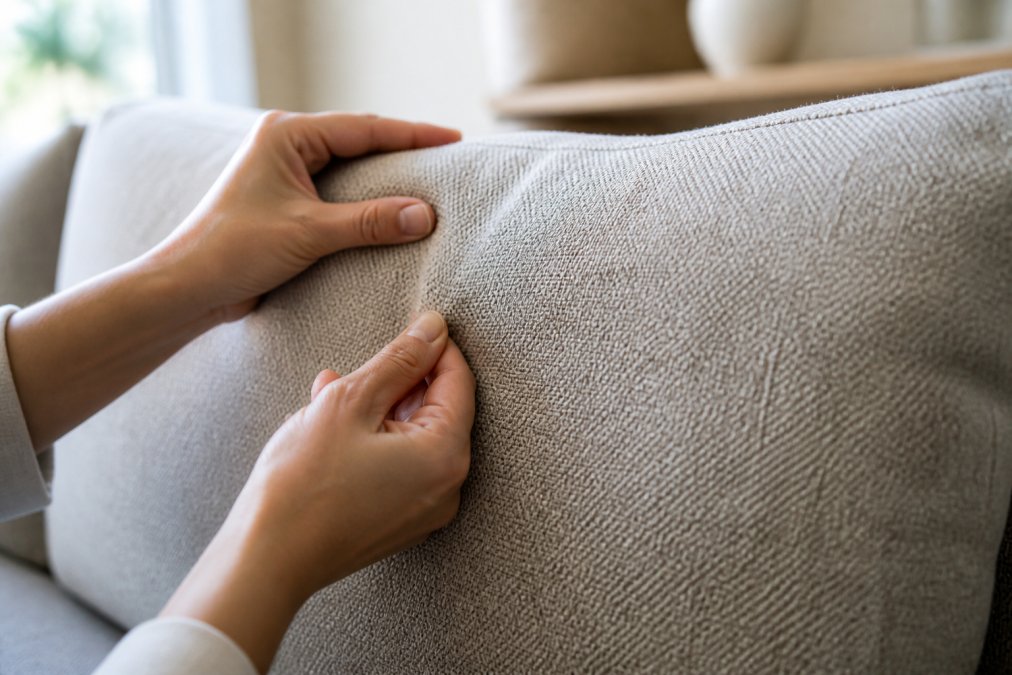
Consider textiles. A mass-produced fabric might use lower-density fibers that break down quickly under friction. Premium fabrics maintain their structure because the fiber density is higher, the weave is tighter, and the finishing processes strengthen rather than weaken the material. The difference isn't subtle, it's the reason one sofa shows visible wear after three years while another looks nearly identical after eight.
Leather and natural materials follow similar logic. Premium leather undergoes specific tanning and finishing processes that improve water resistance, flexibility, and resistance to cracking. The thickness of the hide matters, but so does how it's been treated. A premium leather item develops character and patina over time rather than deteriorating into brittle, cracked material.
Wood selection demonstrates this principle clearly. Solid hardwoods like walnut, oak, and maple resist warping and splitting far better than softwoods or engineered wood products. But the actual wood species matters less than how the wood is dried and processed. Properly kiln-dried wood has had moisture content carefully controlled, which prevents the expansion and contraction that causes joints to fail and surfaces to crack.
Metal components in home goods, hinges, brackets, fasteners, reveal quality differences immediately. Stainless steel or powder-coated steel resists rust and corrosion. Cheap plating flakes off within months. Premium manufacturers invest in finishes that survive decades of use because they understand that a single failed hinge or corroded bracket can render an entire piece unusable.
How to Identify Quality Furniture and Home Decor
Identifying premium home goods requires knowing what to look for before you buy. Most shoppers focus on appearance, but the visual assessment should be secondary to structural and material evaluation.
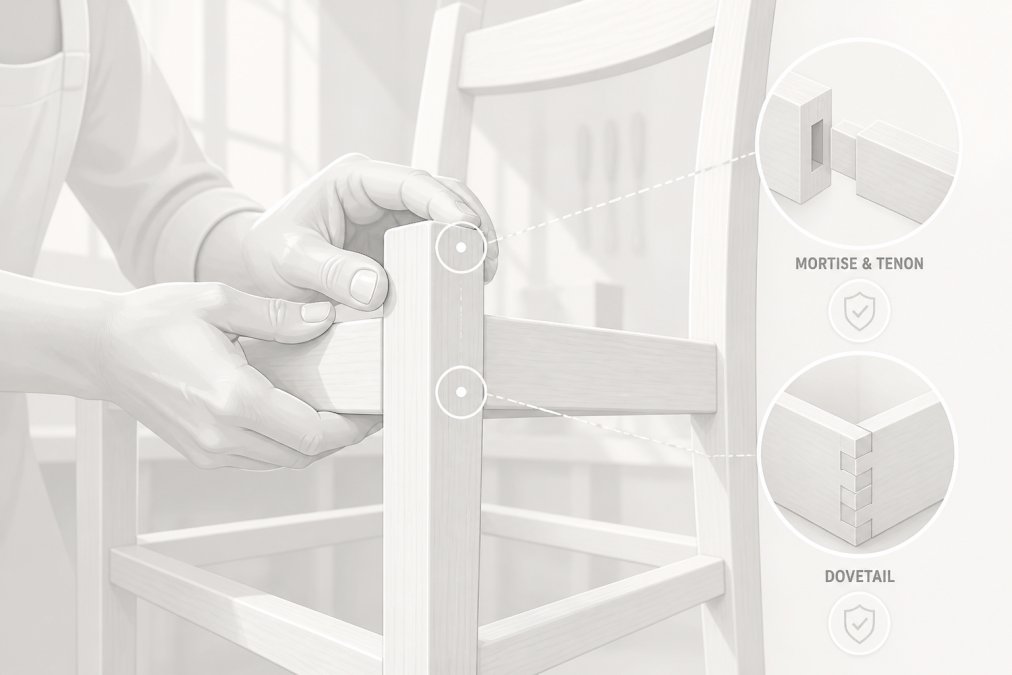
Start with the basics. Flip furniture over and examine the underside. Premium pieces use solid wood frames or high-quality plywood rather than particleboard. Run your hand along joints and seams, they should be tight and flush, not gapped or splintered. Drawers should slide smoothly and have wooden runners or metal ball bearings, not cheap plastic guides that wear out quickly.
For upholstered items, separate the cushions and look at the core. Premium cushions use high-density foam or natural materials like down, not low-density foam that compresses permanently after a few months. The fabric should feel substantial when you rub it, premium textiles have weight and texture, not a thin, papery feel.
Examine stitching carefully. Hand-stitched or machine-stitched seams on premium pieces are even, tight, and consistent. Loose, uneven stitching indicates rushed manufacturing. Seams should be reinforced where stress occurs, like at corners or where arms attach to the body of a sofa.
Check hardware and fasteners. Quality pieces use wood screws or bolts, not nails that can work loose over time. Metal hardware should feel solid and secure, not flimsy or loose. Hinges should operate smoothly without squeaking or binding.
Look at finish quality on wood surfaces. Premium finishes are smooth and consistent, with no drips, brush marks, or thin spots. Run your hand across the surface, it should feel even and well-sealed. Paint or stain should be uniform in color and coverage.
For home decor items like lighting, ceramics, or accessories, weight often indicates quality. Premium items tend to feel substantial in your hands. Lightweight items frequently use cheaper materials and thinner construction. Check for consistent coloring, clean edges, and attention to detail in manufacturing. Imperfections like uneven glazing or rough edges suggest lower-quality production.
Craftsmanship and Construction Techniques
Craftsmanship determines whether materials are assembled correctly and whether they'll hold up to real-world use. Premium home goods reflect intentional design decisions and skilled execution that mass-produced items simply cannot match.
Joinery techniques separate premium furniture from disposable pieces. Mortise and tenon joints, dovetail joints, and other traditional joinery methods create structural integrity that lasts decades. These joints lock pieces together mechanically, so they don't rely on glue alone to hold. Mass-produced furniture often uses pocket holes or simple butt joints held together primarily with fasteners, which eventually loosen and fail.
The assembly process itself matters. Premium manufacturers assemble pieces in stages, allowing glue to cure fully between steps. They test structural integrity before finishing. Mass-production facilities rush assembly to maximize output, which means inadequate curing time and minimal quality checks.
Finishing processes reveal craftsmanship differences. Premium pieces receive multiple coats of finish, with sanding between coats to create a smooth, durable surface. Cheap finishes are often single-coat applications that chip, scratch, and wear through quickly. The finish isn't just aesthetic, it's protective. A proper finish seals wood, prevents moisture absorption, and resists staining.
Attention to detail in design indicates whether a piece was created to last. Premium home goods have reinforced stress points, properly sized components, and thoughtful proportions. Corners are braced. Shelves are supported adequately. Legs are appropriately sized for the weight they'll bear. Cheap items cut corners, literally, using thin materials and inadequate support where they won't be immediately visible.
Artisanal production, even when it involves modern machinery, emphasizes quality over speed. Workers have time to inspect each piece, make adjustments, and catch defects before items leave the factory. This is the opposite of mass-production environments where speed is prioritized and quality control is minimal.
Cost Per Use Calculation: Why Premium Items Make Financial Sense
The cost per use calculation transforms how you should think about premium home goods. This approach accounts for how long an item lasts and how often you use it, revealing that premium items often cost significantly less over their lifetime.
Calculate cost per use by dividing the purchase price by the number of times you'll use the item. If a premium sofa costs $3,000 and lasts fifteen years with daily use, that's roughly $0.55 per day. A budget sofa costing $800 that lasts three years costs $0.73 per day. The premium item is actually cheaper per use despite the higher upfront cost.
This calculation applies to nearly every home good. Premium bedding costs more initially but lasts through hundreds of washings. Budget bedding pills, fades, and loses elasticity within a year or two. Premium kitchen tools maintain sharp edges and structural integrity for decades. Budget tools rust, break, and dull quickly.
The financial advantage of premium home goods extends beyond simple durability. Items that last longer reduce replacement frequency, which means fewer shopping trips, less decision-making fatigue, and less mental energy spent managing household items. For busy professionals and parents, that efficiency has real value.
Consider also the environmental impact. Replacing items constantly creates waste. Premium goods that last decades reduce your consumption footprint significantly. Sustainable living often means buying better items less frequently rather than constantly replacing cheap alternatives.
The cost per use framework also accounts for maintenance. Premium items may require more intentional care, but that maintenance is typically straightforward and inexpensive. A quality leather item needs occasional conditioning. A premium wood table needs periodic refinishing. These maintenance costs are minimal compared to the replacement costs of cheap items that can't be repaired economically.
Benefits of High-Quality Home Decor Beyond Durability
Premium home goods deliver value far beyond simply lasting longer. The broader benefits affect your daily life, your home aesthetics, and your overall well-being.
Intentional living becomes easier when your home contains items you actually want to keep and use. Premium pieces often have timeless design that doesn't feel dated after a few years. You're not constantly cycling through trendy items that lose appeal. Instead, you build a curated collection of items that reflect your values and aesthetic preferences.
Home aesthetics improve measurably when items are well-made and thoughtfully designed. A room furnished with premium pieces feels different, more cohesive, more intentional, more like a space you've actually considered. Cheap items, even when coordinated, feel temporary and disposable. They don't create the same sense of home.
The psychological benefit of owning quality items shouldn't be underestimated. Using a well-made tool, sitting on a comfortable chair, or sleeping on quality bedding creates daily satisfaction. These small moments of comfort accumulate. Your home environment affects your mood, stress levels, and overall quality of life more than most people realize.
Premium home goods often support better functionality. A well-designed storage system actually stores items effectively. Quality lighting illuminates properly without harsh glare or inadequate brightness. Premium kitchen items work as intended rather than frustrating you with poor design. This functional superiority simplifies daily routines and reduces friction in everyday tasks.
Investment pieces in home decor can actually appreciate in value or maintain their value far better than cheap alternatives. Certain premium furniture, vintage items, and artisanal pieces become more valuable over time. Even if they don't appreciate, they retain resale value far better than disposable furniture, which has essentially zero resale market.
Maintenance, Repairability, and Sustainable Living
Premium home goods support sustainable living because they're designed to be maintained and repaired rather than discarded. This repairability is a core feature that separates investment pieces from disposable decor.
Maintenance for premium items is usually straightforward. Quality wood furniture may need occasional refinishing or resealing. Leather requires periodic conditioning. Upholstered items benefit from regular vacuuming and occasional professional cleaning. These maintenance tasks are simple, inexpensive, and extend the life of items significantly. Most importantly, the items are designed to withstand maintenance without degrading.
Repairability distinguishes premium home goods fundamentally. When a quality sofa's cushion compresses, you can replace just the cushion rather than discarding the entire piece. If a premium wood table gets scratched, it can be refinished. A broken leg can be repaired or replaced. These repair options exist because premium items are built with replaceable components and quality construction that can be worked on.
Cheap items typically cannot be economically repaired. Replacing a broken component costs nearly as much as buying a new item. Refinishing or reupholstering isn't feasible because the underlying structure isn't worth saving. This economic reality makes disposable items truly disposable, they end up in landfills rather than being restored.
Sustainable living through home goods means choosing items you'll keep for decades. It means selecting pieces that can be repaired when damage occurs. It means investing in items whose production and materials align with environmental values. Premium manufacturers often prioritize sustainable sourcing, ethical labor practices, and production methods that minimize waste.
The lifecycle of premium home goods extends far beyond your ownership. Quality pieces can be passed down to family members, sold secondhand, or donated when you no longer need them. A well-made table or chair can serve multiple owners over fifty years or more. Cheap items rarely make it past one owner before becoming unusable.
Understanding why premium home goods last longer reveals that the higher upfront cost often represents genuine value. Material integrity, craftsmanship, and thoughtful construction create items that survive decades of use while maintaining function and aesthetics. When you evaluate home goods through the lens of cost per use, durability, and lifecycle value, premium items frequently emerge as the smarter financial choice.
WowHaul's approach to curating home goods reflects this understanding. By selecting items built to endure and designed with quality in mind, we help you build a home filled with pieces that simplify your daily routines and support sustainable living. Quality home goods aren't luxuries, they're practical investments in the spaces where you spend your time.
Frequently Asked Questions
What defines premium quality in home goods?
Premium home goods combine superior materials, intentional construction, and thoughtful design. Look for natural fabrics with high textile density, solid wood joinery instead of particle board, reinforced seams, and finishes that resist wear and tear. Premium items prioritize durability and function over trend-chasing, making them investment pieces that maintain their integrity over years of use.
How do I calculate cost per use for home goods?
Divide the item's price by the estimated number of times you'll use it over its lifespan. A $300 sofa used daily for 10 years (3,650 uses) costs about 8 cents per use, while a $100 sofa lasting 2 years costs 14 cents per use. Premium home goods often have lower cost-per-use calculations because they last significantly longer, making them more economical despite higher upfront prices.
What are the signs of high-quality craftsmanship in home products?
Examine joinery techniques, seams, and finishes closely. Quality furniture has mortise-and-tenon joints or dowel construction rather than staples, hand-stitched seams with tight stitching patterns, and smooth finishes without gaps or rough edges. Artisanal items show consistent attention to detail, proper weight distribution, and materials that feel substantial. Mass-produced alternatives often cut corners with visible glue, loose joints, and thin materials that show wear quickly.
Is it more cost-effective to buy premium home goods over time?
Yes, when you factor in replacement costs and longevity. A premium item costing twice as much but lasting three times longer delivers better value. Premium home decor resists fading, staining, and structural damage, reducing maintenance expenses. Additionally, quality pieces often retain aesthetic appeal and function for decades, whereas disposable decor requires frequent replacement, accumulating waste and hidden costs that make budget alternatives more expensive overall.
This article was written using GrandRanker