

Table of Contents
- Why Shoppers Look Beyond CuratedHomeSource
- Unique Home Decor Websites That Offer Handcrafted Alternatives
- Best Practices for Online Home Decor Shopping
- How to Style a Curated Home with Intentional Pieces
- Small-Batch and Independent Designers Worth Exploring
- What Sets Quality Curated Collections Apart
- Finding High-End Looks Without the Premium Price Tag
- Conclusion
Last Updated: August 27, 2026
Why Shoppers Look Beyond CuratedHomeSource
When building a home that reflects your taste and values, a one-size-fits-all marketplace often falls short. Many shoppers seek handcrafted alternatives, transparency about sourcing, and flexibility to mix budget-friendly finds with investment pieces. The search for the best curatedhomesource alternatives for decor typically begins when you need more options: sustainable sourcing, artisan-made goods, or design-forward pieces that don't compromise on quality.
At WowHaul, we understand that homeowners increasingly want to know where their pieces come from and how they're made. This shift has opened a landscape of specialized platforms, independent designers, and fair-trade marketplaces offering genuine alternatives to traditional retailers. The real difference comes down to curation philosophy: are you getting items selected by algorithms, or by people who understand design, sustainability, and quality?
Unique Home Decor Websites That Offer Handcrafted Alternatives
Artisan-Made Marketplaces
Handcrafted and artisan-made goods have created a new category of online platforms dedicated to independent creators and small-batch producers. These marketplaces connect you directly with makers, so you're supporting a specific person's craft and vision.

Platforms in this category typically feature pottery, textiles, woodwork, and metalwork from independent artisans. What makes them distinct is the level of customization and storytelling. Many allow you to contact makers directly, request custom pieces, or learn about their production methods. A ceramic vase comes with information about the clay source, firing technique, and the artist's inspiration. This transparency builds confidence in quality and authenticity.
When evaluating artisan marketplaces, look for platforms that vet their makers, display production photos, and provide clear shipping timelines. Small-batch production means longer lead times, but the trade-off is uniqueness and direct support for working artisans.
Fair-Trade and Sustainable Sourcing Platforms
Specialized platforms focused on fair-trade and sustainable home goods provide both curation and transparency. These sites prioritize relationships with producers in developing regions, ensure fair wages, and emphasize environmentally responsible materials and production methods.
Fair-trade platforms typically feature textiles, ceramics, and home accents sourced from cooperatives and small producers (wfto.com). Supply chain transparency is a key differentiator, you can often trace a specific item back to the cooperative or artisan collective that made it. Sustainable sourcing platforms emphasize material choices: reclaimed wood, organic cotton, natural dyes, and low-impact production processes. The price point tends to be higher than mass-market alternatives, but the longevity and ethical foundation justify the investment.
When shopping these platforms, verify that certifications are legitimate and current. Look for partnerships with recognized fair-trade organizations or transparent supply chain documentation.
Best Practices for Online Home Decor Shopping
Evaluating Quality and Craftsmanship
Online shopping requires developing a system to evaluate quality through photos, descriptions, and seller information. Examine product photos from multiple angles, looking for texture, seams, joints, and visible wear. Artisan pieces often show intentional imperfections and handmade variations that distinguish them from mass production.
Read product descriptions carefully. Quality sellers provide material specifications, dimensions, production methods, and care instructions. Specific descriptions like "hand-thrown stoneware with matte glaze" or "100% linen with natural fiber dye" indicate a seller who understands their product. Check seller reviews and ratings, reading beyond the star count for comments about durability and shipping condition. Ask questions before purchasing, quality sellers respond promptly and provide detailed answers.
Shipping, Returns, and Supply Chain Transparency
Handcrafted items often have longer production times before shipping begins. Clarify whether the listed price includes shipping and understand that return policies for handmade goods are typically stricter than mass-market retailers. Many artisans don't accept returns on custom or made-to-order pieces, though they may offer exchanges if an item arrives damaged.
Supply chain transparency has become a key differentiator for the best curatedhomesource alternatives for decor. Platforms that provide information about where materials are sourced, how items are produced, and who benefits from the sale build trust. Look for specific details: Is the production location named? Are materials sourced locally? Does the seller disclose labor practices or environmental certifications?
How to Style a Curated Home with Intentional Pieces
Building Aesthetic Cohesion Across Rooms
A truly curated home tells a coherent story. Start by defining your overall aesthetic, minimalist, maximalist, mid-century modern, bohemian, industrial, or hybrid. This framework guides every purchase.
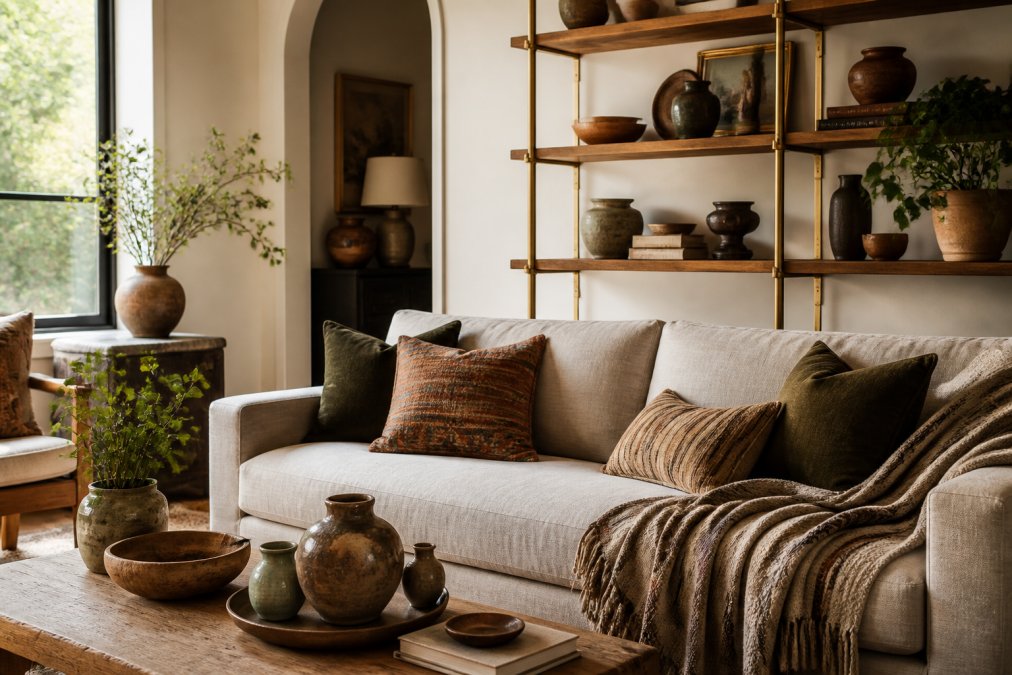
Material consistency creates visual harmony. If your aesthetic emphasizes natural materials, prioritize wood, ceramics, linen, and stone. Color flow matters more than matching, choose a base palette and vary saturation and tone. Scale and proportion affect how pieces feel in a space; mix heights, textures, and sizes to avoid monotony.
Mixing Budget-Friendly Finds with Investment Pieces
Strategic mixing of price points makes curated design accessible without compromising quality. Invest in items you'll use daily or that form a room's foundation: a quality sofa, dining table, bedding, or lighting. Budget-friendly alternatives work well for seasonal items, accent pieces, or things you might replace as your taste evolves.
The best curatedhomesource alternatives for decor often combine curated investment pieces with thoughtfully selected basics. Timing purchases helps too, artisan makers sometimes offer seasonal sales or limited-time discounts.
Small-Batch and Independent Designers Worth Exploring
Independent designers operating outside major marketplaces often produce the most distinctive home decor available. These makers typically have smaller production runs, meaning their pieces are genuinely limited. Many operate through Instagram, personal websites, or limited-access platforms. Following makers whose work resonates allows you to see new releases and behind-the-scenes production.
Small-batch production means you need to act quickly when you find something you want, but it guarantees that your pieces are genuinely rare. Quality control tends to be high among independent designers because their reputation depends on it. Each piece carries their name and vision.
What Sets Quality Curated Collections Apart
The distinction between a curated collection and a generic assortment comes down to selection criteria. A truly curated platform applies consistent standards: Does each piece meet specific quality benchmarks? Does it align with a defined aesthetic or philosophy? Is the maker or source vetted?
Design-forward curation emphasizes uniqueness and aesthetic intention. Rather than stocking every available style, curators select pieces that work together conceptually. Transparency about sourcing and production methods distinguishes quality platforms. Curation also means saying no, quality platforms are smaller and more selective than mass-market retailers. The best curatedhomesource alternatives for decor reflect this philosophy: fewer options, higher intentionality, greater satisfaction.
Finding High-End Looks Without the Premium Price Tag
Achieving a high-end aesthetic doesn't require a luxury budget. High-end interiors typically feature quality materials, thoughtful proportions, intentional color palettes, and minimal clutter. These principles cost nothing to implement.
Material quality matters more than brand names. A well-made linen pillow from an independent weaver can look as refined as a designer pillow costing three times as much. Natural materials inherently feel more premium than synthetic alternatives. Negative space contributes to a curated, high-end aesthetic, carefully edited spaces feel intentional. Color restraint signals sophistication; high-end interiors typically use a limited palette of three to five colors applied consistently.
According to design research from the American Society of Interior Designers, spaces that balance proportion, color, and material cohesion are perceived as more expensive and well-designed, regardless of actual budget. Your strategic choices matter more than your spending.
Finding the right home decor requires moving beyond single-source shopping. The landscape of artisan marketplaces, fair-trade platforms, and independent designers offers genuine alternatives to mainstream retailers. By understanding how to evaluate quality, source ethically, and mix pieces intentionally, you can build a home that reflects your values and aesthetic vision. WowHaul curates practical finds designed to simplify your everyday living, including thoughtfully selected home pieces that combine quality craftsmanship with intentional design. Start by defining your aesthetic, then explore platforms that align with your values. The best curatedhomesource alternatives for decor are those that match your specific priorities, whether that's sustainability, artisan support, or design-forward curation.
=== FAQ ANSWERS (audit these too, same rules) ===
[1] Q: What should I look for when shopping for curated home decor alternatives online? A: Look for transparency about sourcing, materials, and maker information. Check whether items are handcrafted or small-batch produced, review shipping and return policies carefully, and read customer feedback about quality and durability. Verify that product photos show accurate colors and scale. Prioritize sites that disclose their supply chain and provide detailed product descriptions, including care instructions for textiles and ceramics.
[2] Q: How do I find curated home decor websites that align with my design style? A: Browse each site's collection to assess their aesthetic direction, whether they lean modern, vintage, bohemian, or minimalist. Many curated platforms organize items by style category or design theme. Read their mission statements to understand their curation philosophy. Follow their social media to see how pieces style together in real spaces. Bookmark sites that consistently feature designs you're drawn to, and sign up for newsletters to stay informed about new arrivals.
[3] Q: Are curated home decor alternatives more sustainable than mass-market retailers? A: Many curated alternatives prioritize sustainability through fair-trade sourcing, small-batch production, and ethical manufacturing practices. However, sustainability varies by platform and maker. Check whether items are produced locally, made from renewable or recycled materials, and whether the company discloses labor practices. Some artisan-made pieces may cost more upfront but last longer, reducing overall consumption. Always verify claims by reviewing the company's sourcing information and certifications.
[4] Q: How can I tell if a curated piece will actually work in my space before buying? A: Request detailed measurements and scale photos showing items next to common objects for reference. Check return policies to understand your options if the piece doesn't fit. Read customer reviews that mention how items looked in their homes. Many curated retailers offer virtual room planning tools or accept photos of your space for styling advice. Save inspiration photos and compare them against product listings to visualize placement before purchasing.
Frequently Asked Questions
Q: What should I look for when shopping for curated home decor alternatives online?
A: Look for transparency about sourcing, materials, and maker information. Check whether items are handcrafted or small-batch produced, review shipping and return policies carefully, and read customer feedback about quality and durability. Verify that product photos show accurate colors and scale. Prioritize sites that disclose their supply chain and provide detailed product descriptions, including care instructions for textiles and ceramics.
Q: How do I find curated home decor websites that align with my design style?
A: Browse each site's collection to assess their aesthetic direction, whether they lean modern, vintage, bohemian, or minimalist. Many curated platforms organize items by style category or design theme. Read their mission statements to understand their curation philosophy. Follow their social media to see how pieces style together in real spaces. Bookmark sites that consistently feature designs you're drawn to, and sign up for newsletters to stay informed about new arrivals.
Q: Are curated home decor alternatives more sustainable than mass-market retailers?
A: Many curated alternatives prioritize sustainability through fair-trade sourcing, small-batch production, and ethical manufacturing practices. However, sustainability varies by platform and maker. Check whether items are produced locally, made from renewable or recycled materials, and whether the company discloses labor practices. Some artisan-made pieces may cost more upfront but last longer, reducing overall consumption. Always verify claims by reviewing the company's sourcing information and certifications.
Q: How can I tell if a curated piece will actually work in my space before buying?
A: Request detailed measurements and scale photos showing items next to common objects for reference. Check return policies to understand your options if the piece doesn't fit. Read customer reviews that mention how items looked in their homes. Many curated retailers offer virtual room planning tools or accept photos of your space for styling advice. Save inspiration photos and compare them against product listings to visualize placement before purchasing.
This article was written using GrandRanker