

Table of Contents
- Why Kitchen Organization Directly Affects Your Daily Routine
- Kitchen Workflow Efficiency Tips That Reduce Meal Prep Time
- Best Kitchen Storage Containers for Speed and Accessibility
- Small Apartment Storage Hacks 2026: Making Every Inch Count
- Decluttering Your Countertops Without Losing Functionality
- Pantry and Spice Organization for Quick Access
- Budget-Friendly and Sustainable Organization for Renters and Homeowners
- Building Habits That Make Organization Stick
- Frequently Asked Questions
Last Updated: September 2, 2026
Why Kitchen Organization Directly Affects Your Daily Routine
A disorganized kitchen costs you time every morning. Searching for containers, hunting through drawers, or clearing clutter before cooking burns minutes that add up fast. Kitchen organization isn't just about aesthetics, it's about reclaiming your day.
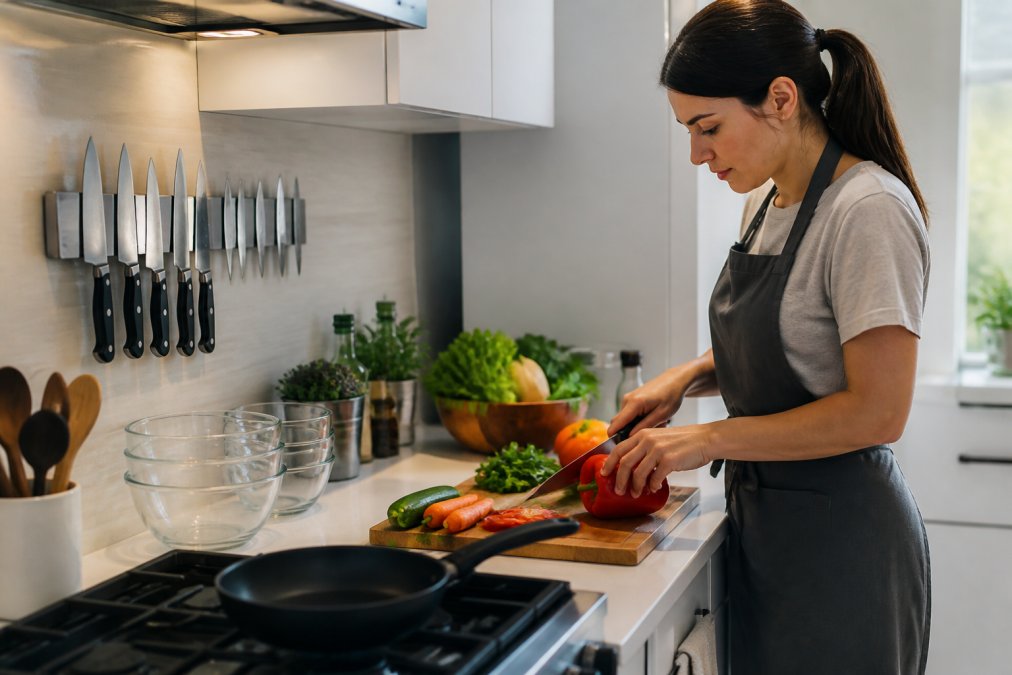
At WowHaul, we focus on practical solutions that simplify daily routines. When your kitchen is organized strategically, meal prep becomes faster, cooking feels less stressful, and you actually enjoy the space. The real issue most people face isn't lack of storage, it's storage that doesn't match how they actually cook. This guide walks you through time-saving kitchen organization hacks that prioritize speed and accessibility.
Kitchen Workflow Efficiency Tips That Reduce Meal Prep Time
The fastest kitchens aren't the biggest ones, they're organized around how people actually move and work. Workflow-based organization means storing items where you use them, not where there's empty space.
When you organize by task instead of item type, you eliminate unnecessary steps. Your prep station has everything within arm's reach. Your cooking zone has your most-used appliances accessible. Your cleanup area has what you need for quick washing and storage.
Zone Your Kitchen by Task, Not by Item Type
Most people organize by category: all pans together, all utensils together, all spices together. This creates inefficiency because you're constantly moving between zones while cooking.
Instead, create task-based zones: a prep zone, a cooking zone, and a cleanup zone. Your prep zone should have cutting boards, sharp knives, and prep bowls near your main counter space. Your cooking zone centers on your stove and oven, with pans, oils, and frequently used seasonings within immediate reach. Your cleanup zone is near the sink with dish soap, towels, and storage containers for leftovers. This eliminates wasted movement.
Create a Prep Station Near Your Most-Used Appliances
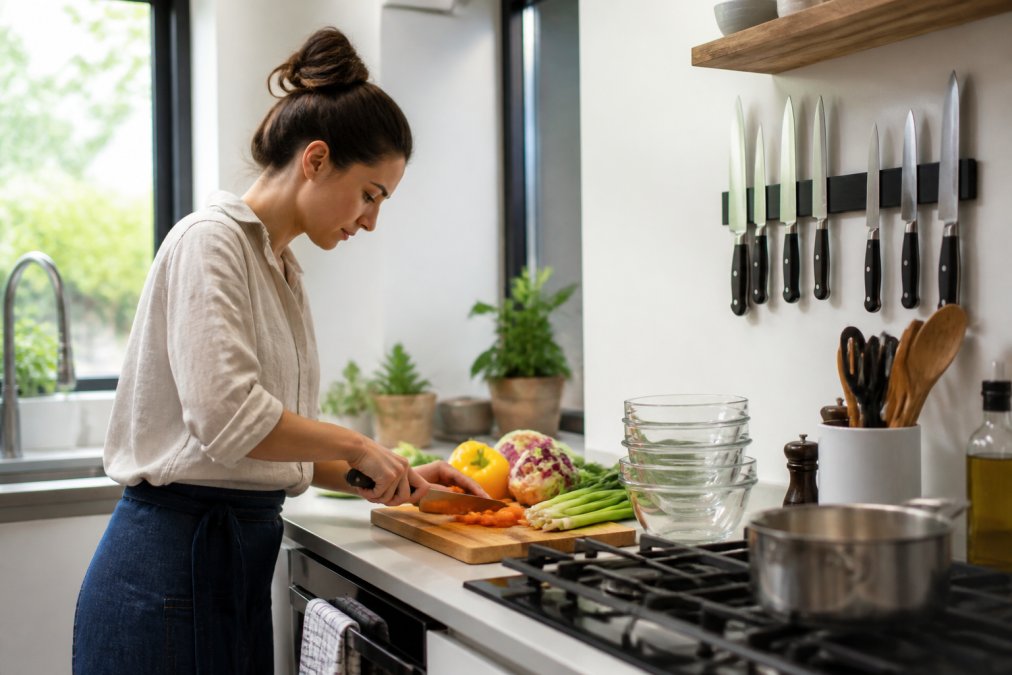
A dedicated prep station dramatically speeds up cooking. Position it near your stove or food processor and stock it with cutting boards (stored vertically), sharp knives in a knife block or magnetic strip, prep bowls in various sizes, measuring cups and spoons, and a colander for rinsing vegetables. When everything for prep is in one location, you move faster and make fewer mistakes.
Best Kitchen Storage Containers for Speed and Accessibility
The right containers make the difference between an organized kitchen and one that wastes your time. Speed matters more than perfection.
Clear Bins and Labeling Systems
Clear containers are non-negotiable for efficiency. You can see what's inside without opening them. Use a label maker or waterproof labels to mark each container with contents and the date it was filled. This matters especially for dry goods that lose freshness. Stack clear bins vertically whenever possible to maximize vertical space and keep items visible even when stacked.
Stackable and Modular Solutions
Stackable containers let you build storage that fits your actual space. As your needs change, you can add or reconfigure containers without starting over. Choose containers with secure, easy-to-open lids, containers that are hard to close get left open or abandoned for loose storage.
Small Apartment Storage Hacks 2026: Making Every Inch Count
Small apartments demand creative thinking without permanent changes. Renters can't drill into walls or install shelving that requires studs. Yet small kitchens have the most to gain from smart organization, every inch wasted is space you can't get back. The key is vertical thinking, multi-functional storage, and damage-free installation methods.
Damage-Free Vertical Storage for Renters
Command hooks, adhesive strips, and tension rods are the renter's toolkit. Command hooks hold up to 16 pounds per hook (check the package for weight limits). Use them for hanging utensil holders, mounting a magnetic strip for knives, hanging a small spice rack, or creating a hanging pot rack using multiple hooks in a line. Installation takes 30 seconds, and removal leaves no holes. They work on smooth, clean surfaces (drywall, tile, glass) but fail on textured walls or wallpaper.
Tension rods are spring-loaded rods that fit between two surfaces without fasteners. Install them inside cabinet doors to hang spray bottles or pot lids vertically, between shelves to create dividers for stacking pans, under the sink to hang cleaning supplies, or between wall studs to hang utensils. Tension rods cost $5-$15 and work in nearly any space. A single tension rod can hold 10-15 pounds depending on the model.
Over-the-Door and Inside-Cabinet Organization
Over-the-door organizers work on any door and require no installation beyond hanging. Use them for spices in small jars, frequently used utensils, small containers of baking supplies, or cleaning supplies. Inside cabinet doors offer surprising storage potential without taking up shelf space. Install narrow adhesive shelves, magnetic strips, or small hanging organizers on the inside of cabinet doors for spices, small utensils, or frequently used ingredients. A single cabinet door can hold 5-10 pounds of weight with adhesive shelves.
Vertical Space and Wall-Mounted Solutions
Vertical space is your hidden storage. Heavy-duty adhesive shelf brackets (rated for 25+ pounds) can hold floating shelves without drilling, though they're less stable than drilled shelves. Magnetic strips mounted with adhesive strips or command hooks hold knives and metal items, freeing up drawer space. Hanging pot racks suspended from the ceiling or a tension rod take up no floor or counter space. Wall-mounted spice racks or narrow shelves mount directly to walls and work well for small kitchens because they're shallow (usually 4-6 inches deep).
Under-Sink and Cabinet Door Organization Without Permanent Changes
Pull-out drawer organizers let you access items in the back without moving everything in front. They cost $15-$40 and are portable. Tiered shelf risers create two levels of storage in the same space. Install a tension rod horizontally under the sink to hang spray bottles, cleaning cloths, or trash bags. The goal is to move items off countertops and into organized, accessible storage.
Portable Organization That Moves With You
Renters need organization systems that survive moving. Invest in stackable, modular containers, tension rods and command hooks, over-the-door organizers, and adhesive shelf liners and drawer dividers. Document your system with photos before you move so you can replicate it in your new kitchen.
Decluttering Your Countertops Without Losing Functionality
Keep only items you use daily on the counter. Everything else goes into cabinets, drawers, or wall storage. For most people, this means a cutting board, a utensil holder with frequently used tools, and perhaps a coffee maker or toaster. Use vertical storage for items that must stay accessible. A knife block, utensil holder, or spice rack takes up minimal counter space while keeping essentials visible. Remove items you haven't used in six months and donate duplicate utensils or pans.
Pantry and Spice Organization for Quick Access
A disorganized pantry means cooking takes longer. The difference between a slow pantry and a fast one isn't size, it's visibility and accessibility.
Organize by Frequency, Not Just Category
Create three zones within your pantry:
Daily-use zone (eye level): Items you reach for multiple times per week, olive oil, salt, sugar, your most-used spices, pasta, rice, and canned tomatoes.
Weekly-use zone (upper and lower shelves): Items you use once or twice weekly, baking powder, specialty oils, less-common spices, dried beans, or seasonal ingredients.
Occasional-use zone (back of shelves or upper cabinets): Specialty ingredients, bulk items, or seasonal baking supplies.
This frequency-based approach cuts ingredient-gathering time significantly.
Use Clear Containers with Expiration Tracking
Transfer flour, sugar, pasta, cereal, and baking supplies into clear, airtight containers. Label each with contents, purchase date, and expiration date. For spices, which lose flavor within 6-12 months of opening, dating is critical (peer-reviewed research). Stack containers vertically using shelf risers so you can see labels without moving items.
Spice Organization: The Tiered Drawer vs. Rack Trade-Off
A tiered drawer organizer with angled shelves lets you see all spices at once, but works best for moderate collections (under 30 jars). Wall-mounted spice racks or magnetic strips free up drawer and cabinet space and work especially well for renters and small kitchens. For most home cooks, grouping spices by cuisine (Italian herbs together, Asian spices together, baking spices together) is faster than alphabetizing. Test your system by timing yourself gathering ingredients for a recipe you cook weekly, if it takes more than 30 seconds, adjust.
Inventory Rotation and Waste Prevention
Use the FIFO method (First In, First Out): when you buy new items, place them behind older stock. Conduct a monthly 5-minute pantry audit to check expiration dates and note items you're running low on. For items with long shelf lives, use a simple inventory list on your phone or a small whiteboard inside the pantry door.
Budget-Friendly and Sustainable Organization for Renters and Homeowners
You don't need expensive systems to organize your kitchen efficiently. Tension rods, adhesive hooks, and over-the-door organizers work without damaging walls. Stackable containers and drawer dividers are temporary and portable. For sustainability, repurpose containers you already own. Glass jars, old baskets, and wooden boxes become storage solutions. Choose durable, long-lasting organization systems over cheap plastic that falls apart.
Building Habits That Make Organization Stick
Start with one zone. Organize your prep station first and use it consistently for a week. Once it becomes automatic, add your cooking zone, then your cleanup zone. Create a simple rule: items return to their designated spot immediately after use. Schedule a 10-minute tidy-up before bed to clear countertops and wipe surfaces. Review your system monthly and adjust as needed, organization evolves as your cooking habits change.
Kitchen organization directly impacts how much time you spend cooking and how much you enjoy the process. When your kitchen is organized around your actual workflow, everything moves faster.
WowHaul's curated selection of practical home organization products is designed to support stronger routines and simplify your daily life. From storage containers to organizational tools, we focus on quality solutions that actually work in real kitchens. Explore our collection and discover the practical finds that transform your kitchen into an efficient, enjoyable space.
Frequently Asked Questions
How do kitchen organization hacks actually save time during meal prep?
Time-saving kitchen organization hacks reduce the steps you take and the time you spend searching for items. When ingredients, tools, and utensils are grouped by task and stored at arm's reach, you eliminate unnecessary movement. Workflow-based zones mean your prep station, cooking tools, and frequently used ingredients are all within one work area.
What are the best kitchen storage containers for speed and accessibility?
Clear, stackable containers are ideal because you can see contents instantly without opening them, and they maximize vertical space. Modular systems let you customize sizes to fit your shelves and pantry layout. Label everything with waterproof labels so you know exactly what's inside and where it belongs. Pull-out drawers and tension rods in cabinets also speed up access by bringing items forward instead of forcing you to reach to the back.
How can I organize a small kitchen without spending a lot of money?
Renters and budget-conscious homeowners can use tension rods to create multiple storage levels in cabinets, repurpose mason jars and recycled containers for pantry items, and use adhesive hooks on walls for utensils and dish towels. Floating shelves or over-the-door organizers maximize vertical space without permanent installation. Focus on decluttering first, removing items you don't use frees up space without buying anything. Many sustainable organization solutions use items you already have, making this approach both eco-friendly and affordable.
What kitchen organization mistakes should I avoid?
Don't buy storage solutions before decluttering, you'll end up storing things you don't need. Avoid placing frequently used items in hard-to-reach spots or high cabinets; keep everyday tools at eye level and within arm's reach. Don't mix organization systems that conflict with your actual workflow; if you cook a lot, prioritize prep-zone organization over aesthetics. Finally, skip over-organizing, if a system is too complicated to maintain daily, you'll abandon it within weeks.
This article was written using GrandRanker