

Table of Contents
- Why Dogs Experience Stress During Bathing
- Signs of Stress in Dogs During Grooming
- Prepare Your Dog Before Bath Time
- Best Grooming Tools for Anxious Dogs
- Step-by-Step Process to Reduce Stress During Dog Bathing
- Choosing the Right Shampoo for Sensitive Skin
- Common Mistakes to Avoid
- When to Consider Professional Grooming
Last Updated: August 24, 2026
Why Dogs Experience Stress During Bathing
Dogs often experience significant anxiety during bath time because they perceive the experience as a loss of control. Water temperature changes, unfamiliar sensations, slippery surfaces, and tub confinement create stressors that trigger fear responses even in typically calm dogs.
When a dog feels threatened, their body releases cortisol and adrenaline, the same hormones triggered during genuine danger (peer-reviewed research). This explains why some dogs shake, whimper, or attempt to escape during bathing. For anxious dogs, the experience can worsen with each session if not managed carefully, creating a negative feedback loop where anticipation of bath time causes stress before the water even runs.
Different dogs respond differently to bathing stress. Breed-specific factors play a role: dogs with water-resistant coats bred for water work (like Labrador Retrievers) often have less inherent fear of bathing than breeds with long, sensitive coats or those originally bred for dry climates. Recognizing these individual differences helps you tailor your approach to your dog's specific needs.
Signs of Stress in Dogs During Grooming
Recognizing stress signals is essential for managing your dog's experience effectively. Common physical indicators include trembling, tucked tail, flattened ears, and dilated pupils. A dog with forward-facing ears and relaxed posture is comfortable; one with ears pinned back and low body position is signaling fear. Whining, excessive panting, and attempting to climb out of the tub are obvious distress signals. Some dogs freeze during bathing, which appears calm but actually indicates learned helplessness or shutdown behavior.
Behavioral signs include excessive licking or chewing at their own body after baths, reluctance to enter the bathroom when grooming approaches, or defensive behavior like snapping when touched. Pay attention to whether stress signals appear before bath time begins, anticipatory anxiety can be as significant as the actual bathing experience.
Understanding your dog's baseline behavior helps you spot stress responses quickly. A dog that normally greets you enthusiastically but hides when you mention bath time is showing clear anxiety. This anticipatory stress compounds the actual bathing stress, making future sessions progressively harder.
Prepare Your Dog Before Bath Time
Preparation significantly influences how your dog responds during bathing. A properly prepared dog enters the bath already in a calmer state, making the entire experience smoother for both of you.
Exercise and Energy Release
A tired dog is a calmer dog. Physical activity before bathing burns excess nervous energy and promotes relaxation through endorphin release. A 20-30 minute walk or play session prior to bath time can dramatically shift your dog's emotional state from anxious to receptive.
Aim for moderate-intensity activity that tires your dog without creating additional excitement. A steady walk, swimming (if your dog tolerates water), or calm play sessions work best. Exercise your dog 30-45 minutes before bathing, not immediately before, allowing their heart rate to return to normal and their mind to settle.
Brush Out Tangles and Loose Fur
Brushing before bathing serves practical and psychological purposes. Removing loose fur and tangles prevents matting and makes bathing faster and more comfortable. From a stress-reduction perspective, pre-bath brushing acts as a desensitization tool, your dog becomes accustomed to being handled in preparation for the more intense sensations of bathing.
Start gently, focusing on sensitive areas like ears, paws, and tail base. Use a soft-bristled brush rather than a slicker brush. Brushing also gives you an opportunity to check your dog's skin for rashes, cuts, or irritation that bathing might aggravate.
Best Grooming Tools for Anxious Dogs
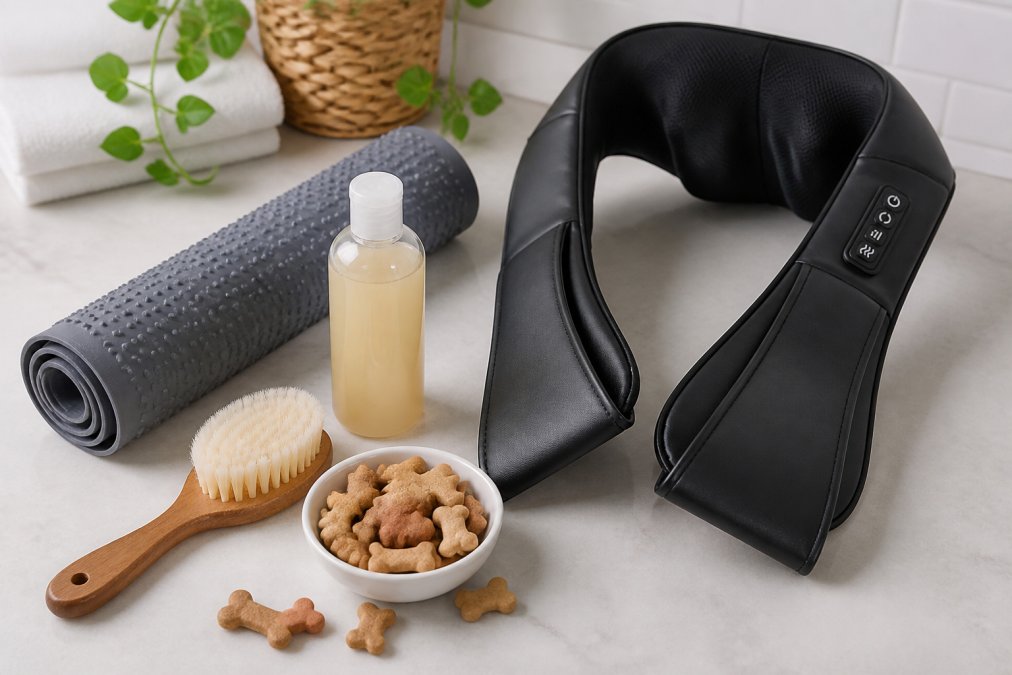
The right tools make a measurable difference in your dog's comfort level. Non-slip mats are essential, a slippery tub surface creates constant anxiety as your dog struggles to maintain footing. Quality non-slip mats with suction cups and textured surfaces reduce this major source of stress. WowHaul's curated selection includes practical grooming solutions designed specifically for pet owners managing anxious dogs at home.
Soft-bristled brushes designed for sensitive skin are preferable to harsh metal combs. A handheld showerhead with adjustable water pressure gives you control to start with gentle flow and increase only as your dog becomes comfortable. A thermometer helps you maintain consistent, warm water around 85-90°F throughout bathing (aaha.org).
For dogs with scent sensitivity or skin conditions, natural, fragrance-free shampoos are essential. Look for formulations without synthetic fragrances, harsh chemicals, or dyes. High-value treats designed for positive reinforcement should be readily available, special treats your dog receives only during bathing.
Step-by-Step Process to Reduce Stress During Dog Bathing
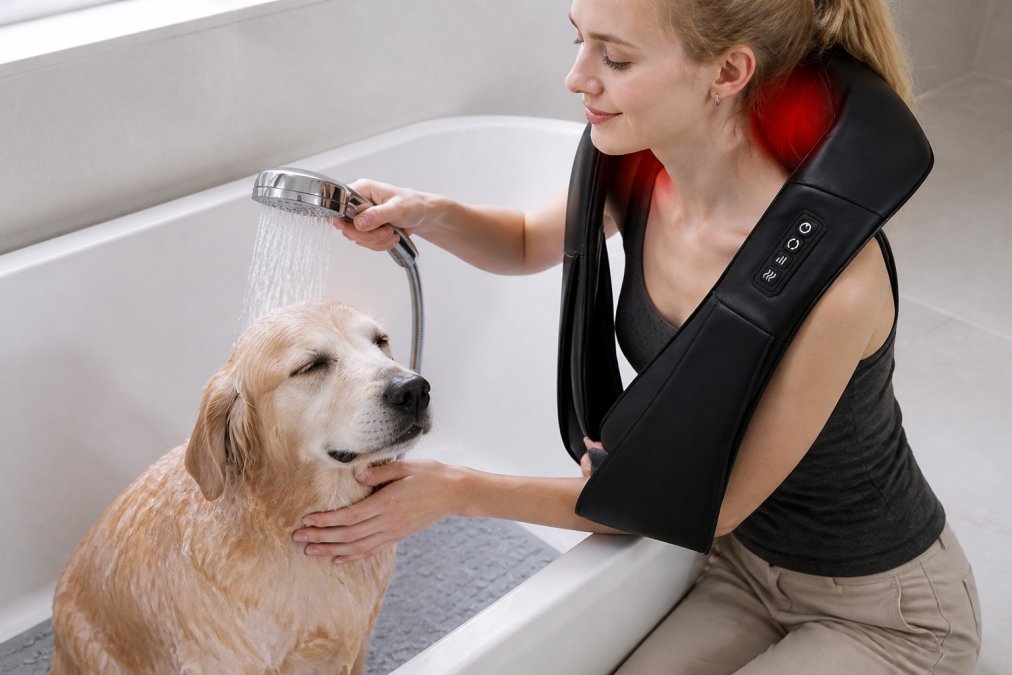
This systematic approach breaks bathing into manageable steps that build your dog's confidence.
Step 1: Set Up a Safe, Calm Environment
Prepare the space before your dog enters the bathroom. Close the door to prevent escape attempts and reduce external distractions. Ensure the room is warm, as a cold bathroom increases anxiety. Gather all supplies within arm's reach before bringing your dog in. Play soft music or white noise to mask startling sounds. Ensure the tub is clean and free of residue from previous bathing.
Step 2: Test Water Temperature and Pressure
Let your dog investigate the empty tub without pressure, allowing them to sniff and become familiar with the space. Test water temperature on your own wrist or with a thermometer, it should feel warm but not hot. Begin with the gentlest possible water pressure, wetting your dog's back legs and lower body first. Never spray water directly at your dog's face initially.
Step 3: Introduce the Tub Gradually
For dogs new to bathing or with significant anxiety, gradual introduction prevents overwhelming fear responses. Start by having your dog stand in an empty tub with the non-slip mat. Reward this step with treats and praise. Next, add a small amount of lukewarm water, just enough to cover their paws. Gradually increase water depth over multiple sessions if necessary. This patience-based approach prevents trauma that would make future bathing harder.
Step 4: Use Positive Reinforcement for Dog Bathing
Positive reinforcement is your most powerful tool. Every calm behavior your dog displays should be immediately rewarded with treats or praise. Timing matters critically, reward your dog immediately when they display desired behavior. Use a calm, encouraging tone throughout bathing. Avoid punishment or harsh corrections, which create negative associations and make future sessions harder.
Step 5: Bathe with a Gentle, Steady Pace
A calm, methodical approach allows your dog to adjust to each new sensation. Work systematically: wet the body, apply diluted shampoo, lather gently, rinse thoroughly. Dilute shampoo with water before applying it to your dog's coat. Work shampoo gently into the coat using your fingertips rather than aggressive scrubbing. Rinse thoroughly and completely to ensure all soap is removed.
Step 6: Manage Post-Bath Anxiety
Dry your dog gently and thoroughly. Vigorous towel rubbing can startle anxious dogs. Wrap your dog in a towel and allow them to shake off naturally. Provide calm reassurance immediately after bathing. Avoid immediately confining your dog to a crate after bathing, which can create negative associations with bathing itself.
Choosing the Right Shampoo for Sensitive Skin
Shampoo selection directly impacts your dog's comfort during and after bathing. Natural, fragrance-free shampoos are ideal for anxious or sensitive dogs. Synthetic fragrances can overwhelm a dog's sensitive olfactory system and trigger stress responses. Look for shampoos formulated without artificial dyes, perfumes, or harsh chemicals. Oatmeal-based shampoos are often gentle and soothing for sensitive skin.
Avoid shampoos containing sulfates, parabens, or harsh detergents, which strip natural oils and cause dryness and irritation. Always use products specifically formulated for dogs. Dog skin has a different pH than human skin, and dog shampoo (around 6.5-7) matches canine skin chemistry and prevents irritation that would increase stress during future bathing sessions.
Common Mistakes to Avoid
Understanding what makes bathing worse helps you avoid perpetuating stress cycles. Using water that's too hot or too cold creates immediate discomfort and anxiety. Rushing through bathing backfires, your dog senses your urgency, which increases their stress, and rushing leads to incomplete rinsing that causes post-bathing skin irritation.
Spraying water directly at your dog's face is a common mistake that creates lasting fear. Many dogs develop water phobia specifically because of face-spraying during early bathing experiences. Avoid this entirely, and your dog's overall comfort with bathing improves dramatically.
Bathing dogs too frequently causes skin dryness and irritation. Most dogs only need bathing every 4-8 weeks unless they have specific skin conditions (aaha.org). Punishing anxious behavior during bathing creates lasting negative associations and guarantees that reducing stress becomes progressively harder. Skipping pre-bath exercise and brushing undermines your ability to reduce stress, your dog enters the bathing situation already anxious and physically tense.
When to Consider Professional Grooming
Professional groomers have specialized equipment, training, and experience managing anxious dogs. If your dog shows severe anxiety, panicking, attempting to escape, or becoming aggressive during bathing, professional grooming may be necessary. Groomers trained in fear-free handling techniques use equipment and environments specifically designed to minimize stress.
Dogs with mobility issues, senior dogs with arthritis, or dogs with physical limitations benefit from professional grooming. For owners with physical limitations, professional grooming removes the physical demands of home bathing. Dogs with thick, double coats or complex grooming requirements often benefit from professional handling.
When choosing a professional groomer, ask specifically about their experience with anxious dogs and their approach to fear-free grooming. Groomers trained in low-stress handling techniques use counter-conditioning and desensitization strategies similar to those discussed in this guide.
Managing your dog's anxiety around bathing requires patience, consistency, and a genuine commitment to understanding your dog's stress signals. The strategies outlined here work together to reduce stress during dog bathing and build lasting positive associations with the grooming process. WowHaul's curated selection of grooming tools and pet care products supports this process by providing quality equipment designed specifically for anxious dogs. Start with the preparation steps, invest in the right tools, and commit to positive reinforcement. Your dog's comfort during bathing improves measurably when you approach the process as a collaborative experience rather than a battle of wills.
| Bathing Step | Key Focus | Duration |
|---|---|---|
| Pre-bath exercise | Burn nervous energy, promote relaxation | 20-30 minutes before |
| Brushing and prep | Remove tangles, build handling tolerance | 10-15 minutes |
| Environment setup | Create calm, safe space with all supplies ready | 5-10 minutes |
| Water introduction | Gradual acclimation starting with legs | 2-3 minutes |
| Shampooing | Gentle massage, diluted product, avoid face | 5-10 minutes |
| Rinsing | Thorough removal, multiple rinses if needed | 5-10 minutes |
| Drying | Gentle toweling, optional low-heat dryer | 10-15 minutes |
| Post-bath recovery | Calm reassurance, quiet settling time | 15-30 minutes |
Frequently Asked Questions
Q: How do I make my dog less anxious while bathing?
A: Start with pre-bath exercise to release energy, then introduce the tub gradually without water. Use high-value treats for positive reinforcement, maintain warm water temperature (around 85-90°F), and speak in a calm, soothing voice. Desensitization over multiple sessions, letting your dog explore the tub, hear the water, and feel gentle spray, reduces fear significantly.
Q: What are the best grooming tools for anxious dogs?
A: Invest in a non-slip mat to prevent slipping and panic, a soft-bristle brush for gentle pre-bath tangles removal, and a handheld showerhead with adjustable water pressure. Use a natural, scent-free shampoo formulated for sensitive skin to avoid triggering stress responses. Quality grooming tools reduce handling stress and give you better control. WowHaul's curated selection includes practical tools designed specifically to make bathing easier and calmer for both you and your dog.
Q: What are signs of stress in dogs during grooming?
A: Watch for trembling, excessive panting, whining, ears pinned back, tail tucked, attempts to escape, or freezing. Some dogs show avoidance by hiding before bath time or refusing to enter the bathroom. Lip licking, yawning, and stiff body posture also signal discomfort. If your dog displays multiple stress signals, slow down, take breaks, and use treats to rebuild positive associations. Recognizing these early signs lets you adjust your approach before anxiety escalates.
Q: How can I use positive reinforcement for dog bathing?
A: Offer high-value treats immediately before, during, and after each step of the bathing process. Reward calm behavior, standing still, accepting water contact, cooperating with shampooing. Keep training sessions short (5-10 minutes initially) and end on a positive note. Praise enthusiastically when your dog stays calm. Over time, your dog associates bathing with treats and praise rather than fear, making each session progressively easier and reducing overall stress.
This article was written using GrandRanker